That first appointment is where a long-term hair-reduction plan becomes personal. A laser hair removal patch test gives your practitioner a close look at how your individual skin and hair respond to the treatment before a full area is treated. It is a small step, but one that helps make your results-led treatment plan safer, more comfortable and properly tailored to you.
For anyone tired of the constant cycle of shaving, waxing, ingrown hairs or last-minute grooming, laser hair removal can be a worthwhile investment in smoother skin and a simpler routine. But medical-grade treatment should never be one-size-fits-all. Your skin tone, hair colour, hair density, treatment area, recent sun exposure and health history all shape the settings and approach that are right for you.
Why a laser hair removal patch test matters
Laser hair removal works by directing light energy towards pigment in the hair follicle. That energy is absorbed by the hair, converting to heat to disrupt future growth. The goal is to target the follicle while protecting the surrounding skin – and that requires the right technology, settings and treatment protocol.
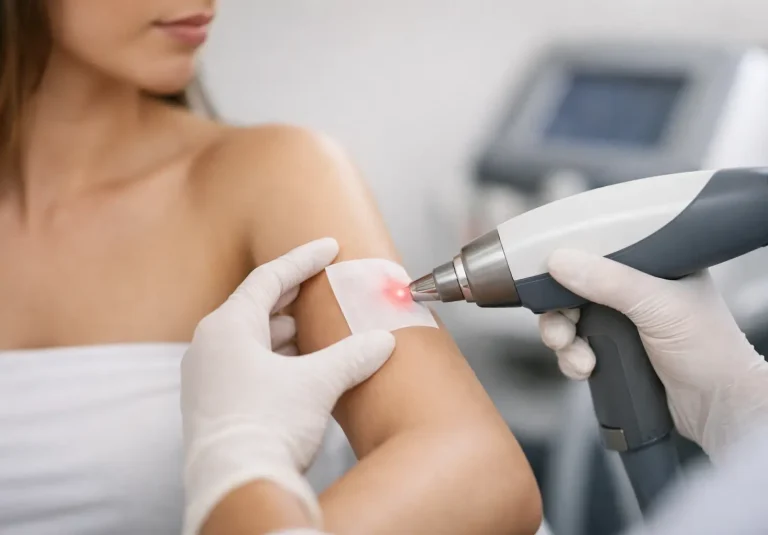
A patch test allows a qualified practitioner to assess this balance in a controlled, discreet area. They can check your skin’s immediate response, discuss what sensations are normal and decide on settings that suit your skin and hair profile. It is particularly valuable if you are new to laser treatment, have recently changed medication, have a deeper skin tone, or are treating a sensitive area such as the bikini line, face or underarms.
It also sets realistic expectations. Laser hair removal is most effective when hair is in its active growth phase, which is why a course of treatments is usually recommended. Results vary between clients and areas of the body, but a personalised programme gives you the best basis for a visible reduction in regrowth over time.
What happens during a patch test?
Your appointment should begin with a consultation, not a rush to treatment. Your practitioner will ask about your medical history, current medication, skincare routine, allergies, previous hair-removal methods and any recent tanning or sun exposure. Be open about everything, including over-the-counter skincare and supplements. Information that may seem minor can affect whether treatment is appropriate on the day.
They will then assess the area you would like treated. This includes looking at your skin tone, the colour and thickness of your hair, and whether there is any irritation, broken skin, active infection or sensitivity that needs to settle first.
A small area is shaved if needed and treated with a few test pulses. You may feel a quick warmth or a light snapping sensation, often compared with an elastic band flicking against the skin. Medical-grade systems are designed with cooling features to help keep the experience more comfortable, although sensation can vary. Coarser hair and more sensitive areas may feel stronger than finer hair on the legs or arms.
Your practitioner will explain what they are doing as they work, so you know what to expect. Immediately afterwards, the skin may look slightly pink or feel warm. This can be a normal short-term response, much like mild warmth after exercise, but it should be assessed in the context of your own skin.
Why you may need to wait before full treatment
A patch test is not only about what happens in the clinic. Some reactions can take time to appear, so clinics commonly ask you to wait before proceeding with a full session. The exact waiting period depends on the clinic protocol, treatment area and your skin, but 24 to 48 hours is often used to allow for a proper assessment.
During that time, pay attention to the tested skin. Mild redness around the follicles, temporary warmth or a slightly raised appearance can occur. Contact the clinic promptly if you notice persistent swelling, blistering, marked discomfort, a rash or any response that concerns you. Do not try to treat a reaction yourself with active skincare, exfoliants or fragranced products unless your practitioner has advised it.
A clear response does not mean settings will remain identical for every appointment. Your skin can change with the seasons, holidays, medication, hormonal shifts and skincare choices. Professional treatment should remain responsive to what your skin needs at each visit.
How to prepare for your patch test
Good preparation helps your practitioner see your natural skin and hair characteristics clearly. In the days beforehand, keep the area calm and avoid anything that could make the skin more reactive.
- Avoid sunbeds, deliberate sun exposure and fake tan before your appointment. Tanned skin can change how laser energy is absorbed and may mean treatment needs to be delayed.
- Do not wax, pluck, thread or use epilation on the area before your test. The follicle needs to contain hair for laser treatment to work effectively. Shaving is usually suitable, subject to your clinic’s instructions.
- Pause strong active skincare on the treatment area if advised, including retinoids, exfoliating acids and benzoyl peroxide. These products can increase sensitivity for some clients.
- Arrive with clean skin, free from deodorant, perfume, body oils, heavy moisturiser or make-up on the area being assessed.
It is also sensible to wear loose clothing if you are having a body area tested. This reduces friction afterwards and makes it easier to monitor the skin.
Medication, skin conditions and other considerations
A patch test is the right time to discuss anything that could affect treatment suitability. Some medications can increase photosensitivity, while certain health conditions, active skin concerns or recent procedures may require treatment to be postponed or adapted. Pregnancy and breastfeeding policies vary between clinics, so speak with your practitioner before booking a course.
If you have a history of cold sores and are considering facial laser hair removal, mention it during consultation. The same applies if you are prone to pigmentation changes, keloid scarring, eczema, psoriasis or recurring folliculitis. This does not automatically rule out treatment, but it may influence the settings, timing or aftercare recommended.
Honesty protects your results. A specialist clinic would always rather adjust your plan than take unnecessary risks with your skin.
What a successful patch test tells you
A successful patch test is not simply a test that causes no sensation. It provides useful information: whether the treatment is suitable for you at that point, how your skin tolerates the selected settings and what aftercare will support a comfortable recovery. It also gives you a chance to decide whether the treatment feels manageable before committing to a larger area or course.
Your practitioner can then recommend a schedule based on the natural hair-growth cycle and the areas you want to treat. Facial areas may need a different interval from legs, underarms or intimate areas. Hormonal hair growth can also be more persistent, so consistency and realistic expectations matter.
At The Laser Club, a consultation and patch test form the foundation of a tailored treatment plan, rather than an optional extra. It is the professional starting point for clients who want to move away from temporary hair removal and towards smoother-looking skin with a programme designed around them.
Aftercare following your patch test
Treat the tested area gently for the next day or two. Keep it cool, avoid hot baths, saunas, steam rooms and intense exercise if the skin still feels warm. Use a high-factor SPF on exposed areas, and avoid picking, scrubbing or exfoliating the skin.
If your practitioner has approved full treatment, follow the same preparation guidance before each session. Avoid waxing or plucking between appointments, as this interrupts the follicle that the laser needs to target. Shaving between sessions is generally the practical option when needed.
The best laser hair removal journey starts with clear information, expert assessment and a plan that respects your skin. A patch test may be brief, but it gives you the reassurance to begin treatment with confidence and a clearer route towards less time spent managing unwanted hair.
Back to blog