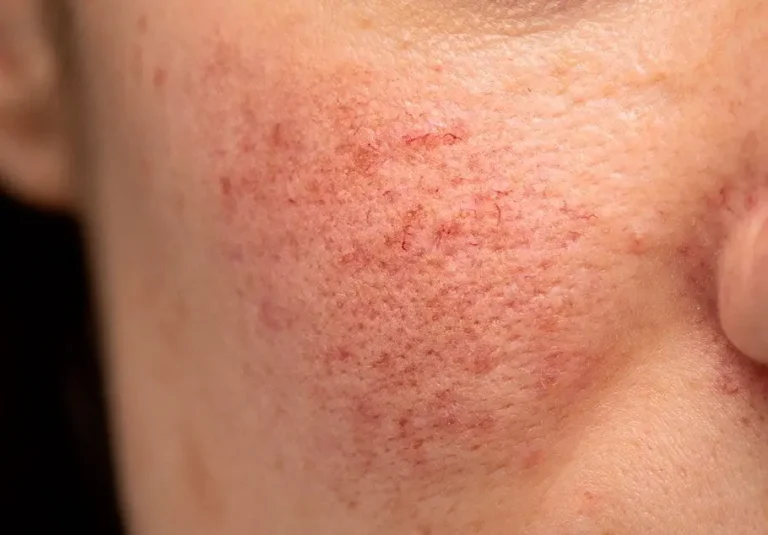
Facial redness can happen for many reasons. It may appear after exercising, spending time in the sun, or drinking a hot cup of coffee. However, when redness becomes more frequent or doesn’t fade as easily, it could be a sign of something more than sensitive skin.
The beginning stages of rosacea are often subtle, making them easy to overlook. Many people assume the redness is temporary and don’t realise it may be an early skin condition that benefits from professional advice. Understanding the signs early can help you manage your skin more effectively and reduce the chance of symptoms becoming more noticeable over time.
At The Laser Club, skin consultations help identify common skin concerns and recommend suitable treatments based on your individual skin type and goals.
What Is Rosacea?
Rosacea is a long-term skin condition that mainly affects the face. It commonly appears across the cheeks, nose, chin, and forehead, although symptoms vary from person to person.
Unlike temporary flushing, rosacea tends to return regularly and may gradually become more noticeable if left unmanaged.
The condition often develops slowly, which is why many people mistake the early signs for general skin sensitivity.
Recognising the Early Stages of Rosacea
The early rosacea stages don’t usually appear all at once. Instead, symptoms often develop gradually, making them difficult to recognise.
Some people only experience occasional redness at first, while others notice that their skin reacts more easily than it did before.
Common early signs include:
- Redness across the cheeks or nose
- Frequent flushing
- Skin that feels warm after triggers
- Increased skin sensitivity
- Visible redness that takes longer to disappear
Because these symptoms can come and go, many people don’t realise they may be linked to rosacea.
How Is Mild Rosacea Different From Sensitive Skin?
Many people have naturally sensitive skin, but mild rosacea usually follows a different pattern.
Sensitive skin may react to certain products before returning to normal quite quickly. Rosacea, on the other hand, often causes repeated redness that gradually becomes more persistent.
You may notice your skin reacting after:
- Spending time in warm weather
- Eating spicy food
- Drinking hot beverages
- Exercising
- Feeling stressed
These triggers don’t cause rosacea, but they may make existing symptoms more noticeable.
What Causes Rosacea Redness?
One of the most common questions people ask is what causes rosacea redness.
Although there isn’t one single cause, experts believe several factors may contribute to the condition.
These can include:
- Genetics
- Environmental triggers
- Changes in blood vessels near the skin’s surface
- Individual skin sensitivity
Since everyone experiences rosacea differently, identifying your personal triggers can be an important part of managing the condition.
Can Rosacea Get Worse Over Time?
Rosacea doesn’t always remain at the same stage.
For some people, symptoms stay mild for many years. For others, redness may become more noticeable if the condition isn’t managed.
This doesn’t mean symptoms will always become severe, but recognising the signs early gives you a better opportunity to care for your skin and seek professional advice when needed.
Simple Habits That May Help Your Skin
Although rosacea cannot always be prevented, developing a gentle skincare routine may help reduce irritation.
Small changes can make a difference, including:
- Using skincare products designed for sensitive skin.
- Avoiding harsh scrubs that may irritate the skin.
- Wearing daily sun protection.
- Keeping your skin hydrated.
- Paying attention to triggers that seem to increase redness.
Every person’s skin responds differently, so it may take time to understand what works best for you.
When Should You Seek Professional Advice?
Occasional redness isn’t always a sign of rosacea. However, if your skin regularly becomes red, feels sensitive, or the redness lasts longer than expected, it’s worth speaking with a skincare professional.
A consultation allows your skin to be assessed properly so you can better understand what may be causing the redness and whether professional treatment could help.
For some people, early advice can make managing the condition much easier than waiting until symptoms become more noticeable.
Professional Skin Treatments for Rosacea
While a good home skincare routine is important, some people look for professional treatments to help improve the appearance of persistent redness.
At The Laser Club, trained skin professionals assess your skin before recommending suitable options. Depending on your skin concerns, facial treatment options may be discussed as part of a personalised skincare plan.
The right approach always depends on your individual skin condition, which is why a professional consultation is an important first step.
Pre Rosacea vs Established Rosacea
Not everyone experiences rosacea in the same way. Some people notice only occasional flushing, while others develop more persistent redness over time. This is why you may hear terms such as pre rosacea or slight rosacea.
These terms are often used to describe the early signs before redness becomes more consistent. Although they are not official medical stages, they help explain why some people experience mild symptoms that gradually change over time.
If you find that facial redness is becoming more frequent or lasting longer than it used to, it’s worth paying closer attention to your skin rather than dismissing it as temporary irritation.
Everyday Triggers That Can Increase Redness
Rosacea triggers are different for everyone, but certain everyday habits may make redness more noticeable.
Some common triggers include:
- Long periods in direct sunlight
- Very hot or cold weather
- Spicy meals
- Hot drinks
- Stress or anxiety
- Intense exercise
- Skincare products that irritate sensitive skin
Keeping track of when your redness appears can help you identify patterns and make small adjustments to your daily routine.
Looking After Skin Prone to Rosacea
A gentle skincare routine can help support skin that is easily irritated.
Simple habits include:
- Cleansing with a mild product suitable for sensitive skin.
- Applying moisturiser to help maintain the skin barrier.
- Wearing sunscreen every day, even during cooler months.
- Avoiding products that leave the skin feeling dry or tight.
- Introducing new skincare products gradually rather than all at once.
Healthy skincare doesn’t need to be complicated. Consistency is often more important than using lots of different products.
Why Professional Skin Advice Can Help
When facial redness keeps returning, it can be difficult to know whether you’re dealing with rosacea, sensitive skin, or another skin concern.
A professional skin assessment allows your practitioner to understand your symptoms and recommend suitable care based on your individual skin condition. This personalised approach can help you choose treatments and skincare that are appropriate for your skin.
When Is the Right Time to Seek Treatment?
Many people wait until redness becomes more noticeable before seeking advice. However, speaking to a skincare professional during the beginning stages of rosacea can help you understand your skin sooner.
Early assessment doesn’t necessarily mean you need advanced treatment. Sometimes, small changes to your skincare routine or suitable professional treatments may help improve the appearance of your skin.
The important step is recognising when redness has become a recurring concern rather than an occasional reaction.
Final Thoughts
The early rosacea stages can be easy to miss because the symptoms often appear gradually. What starts as occasional flushing may become more frequent over time, which is why paying attention to changes in your skin is important.
If you’ve noticed ongoing facial redness, increased sensitivity, or frequent flushing, a professional skin consultation can help you better understand your skin and discuss suitable treatment options.
To learn more or arrange a consultation, contact us. The team at The Laser Club can assess your skin and recommend an approach that suits your individual concerns.
Frequently Asked Questions
1. What are the beginning stages of rosacea?
The beginning stages of rosacea often include occasional facial redness, flushing, and increased skin sensitivity. These symptoms may come and go before becoming more noticeable over time.
2. Can mild rosacea be treated?
Mild rosacea can often be managed with appropriate skincare and professional advice. The right approach depends on your skin condition and individual symptoms.
3. What causes rosacea redness?
The exact cause isn’t fully understood, but genetics, skin sensitivity, environmental factors, and changes in blood vessels are thought to play a role. Certain triggers may also make redness more noticeable.
4. Is rosacea the same as sensitive skin?
No. Sensitive skin can react temporarily to products or environmental changes, while rosacea is a long-term skin condition that commonly causes recurring facial redness and flushing.
5. When should I seek professional advice for rosacea?
If facial redness becomes frequent, lasts longer than usual, or is accompanied by ongoing sensitivity, it’s a good idea to seek a professional skin assessment to better understand the cause and discuss suitable treatment options.
Back to blog