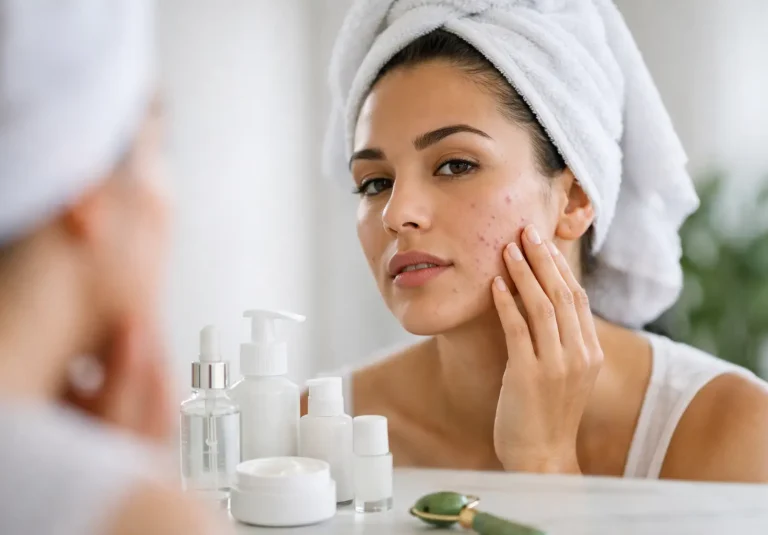
Adult acne has a habit of appearing just when you thought breakouts were behind you. Whether it is persistent congestion around the chin and jawline, painful inflamed spots or texture left by previous acne, the best adult acne treatments are rarely about one miracle product. They are about identifying what your skin needs, treating active breakouts carefully and building a plan you can maintain.
For many adults, acne can feel particularly frustrating because it sits alongside busy work schedules, make-up, shaving, hormonal changes and the understandable wish for smoother, more even-looking skin. Professional support can bring clarity to a concern that is often made worse by trying too many products at once.
Why adult acne needs a different approach
Adult acne is not always the same as teenage acne. Hormonal fluctuations can play a significant part, especially when breakouts cluster around the lower face, jawline and neck. Stress, medication, occlusive skincare or hair products, friction from masks and exercise clothing, and certain make-up formulas can also contribute.
The appearance of acne matters too. Blackheads and whiteheads need a different approach from red, tender spots or deeper cystic breakouts. Acne marks, scarring and uneven texture are separate concerns again. Treating every issue with strong exfoliants can leave the skin barrier irritated, dry and more reactive, which is why a tailored treatment plan is usually more effective than a trial-and-error routine.
If acne is painful, leaving scars, affecting your confidence or appearing suddenly and severely, speak with your GP or a dermatologist. Prescription treatment may be the most appropriate first step, particularly for persistent inflammatory or cystic acne.
The best adult acne treatments for active breakouts
Professional chemical peels
A well-chosen chemical peel can be an effective in-clinic option for congested, blemish-prone skin. Professional formulations may help loosen the build-up of dead skin cells, support clearer pores and improve the look of dullness and post-breakout marks. The right peel depends on your skin type, sensitivity, current routine and the type of acne you have.
Results are generally built through a course of treatments rather than a single appointment. A lighter peel may suit clients who want minimal downtime and a gradual refresh, while stronger options may require more preparation and recovery. Your practitioner should explain what to expect, including temporary dryness, flaking or redness, and advise on suitable aftercare.
HydraFacial for congestion and dullness
For skin that feels congested but also dehydrated, a HydraFacial can offer a gentler route to a fresher-looking complexion. The treatment cleanses, exfoliates and hydrates the skin while helping to lift surface debris from pores. It can be particularly useful when heavy scrubbing and harsh home acids have left skin feeling tight or unsettled.
HydraFacial is not a replacement for medical acne care where acne is severe, but it can work well within a wider maintenance plan. It is often chosen by clients who want their skin to look clearer, smoother and more comfortable without significant downtime.
Medical advice and prescription options
For active inflammatory acne, clinically prescribed treatments can be highly valuable. A GP or dermatologist may recommend topical retinoids, benzoyl peroxide, azelaic acid, antibiotics or hormonal treatment, depending on your circumstances. These options can take several weeks to show a meaningful improvement and may cause an adjustment period, so consistency and professional guidance are essential.
Do not combine multiple high-strength active ingredients without advice. Using a retinoid, acid exfoliant, scrub and spot treatment together might feel proactive, but it can compromise the skin barrier and make redness more noticeable.
Treating acne marks and texture once breakouts are controlled
Clearer skin does not always mean perfectly even skin straight away. Red or brown post-acne marks can linger after spots have healed, while pitted scars and uneven texture may need a different treatment strategy. Patience is part of the process, but professional treatments can help improve the overall quality and clarity of the skin over time.
Microneedling for post-acne texture
Microneedling is often considered for acne scarring and uneven texture once active acne is properly under control. The treatment uses controlled micro-channels to stimulate the skin’s natural repair response and support collagen production. Over a course of sessions, this may improve the appearance of shallow scarring, enlarged-looking pores and rough texture.
Timing matters. Microneedling is not usually the right choice over active, inflamed breakouts, as the priority should be calming and managing the acne first. A consultation helps determine whether your skin is ready and whether another treatment should come before it.
Chemical peels for post-breakout marks
Chemical peels can also support the appearance of post-inflammatory marks by encouraging skin renewal. They are often used as part of a programme for clients whose main concern is uneven tone after acne, rather than deep scarring. Daily SPF is non-negotiable here: sun exposure can make marks appear darker and more persistent, even in the British climate.
A home routine that supports professional results
The best in-clinic treatment will work harder when your home routine is simple, consistent and appropriate for your skin. Over-cleansing, picking and frequently changing products are common reasons acne routines lose momentum.
Start with a gentle cleanser used morning and evening, followed by a targeted treatment recommended for your concerns and a non-comedogenic moisturiser. During the day, use broad-spectrum SPF. Even oily skin needs hydration, and skipping moisturiser can encourage the tight, reactive feeling that leads people to overuse stronger products.
A few practical habits can make a difference too. Remove make-up before bed, clean mobile phone screens regularly, avoid squeezing spots and wash make-up brushes often. If you shave your face, use clean blades and a gentle technique, as irritation and ingrown hairs can sometimes resemble or worsen acne.
Choosing the right acne treatment plan
There is no single best treatment for every adult with acne. The most effective programme depends on whether your main concern is active blemishes, congestion, marks, scarring, sensitivity or a combination of all of these. Skin tone, current medication, previous treatments and lifestyle also need to be considered before beginning any course.
A professional consultation creates space to discuss your goals and assess the skin properly. At The Laser Club, treatment recommendations are shaped around the condition of your skin and the outcome you want to achieve, rather than a one-size-fits-all facial. This may include a course of skin treatments, suitable homecare and advice on when medical support should be part of the plan.
It is also worth being realistic about timelines. Acne rarely clears overnight, and skin treatments tend to deliver their best results with regular appointments and consistent aftercare. A plan that fits your diary and budget is more likely to be followed than an overly complicated routine you cannot sustain.
Clearer-looking skin begins with a considered decision: treat the concern you have now, protect your skin barrier and give each well-chosen step enough time to work.
Back to blog