Chemical peel aftercare is an important part of maintaining skin comfort and supporting recovery after treatment. While many people focus on the facial itself, the healing process afterwards also deserves attention. Skin can feel temporarily sensitive after a peel, which is why a gentle and balanced approach is often recommended during recovery.
The skin naturally goes through a renewal process after treatment. During this time, some people experience dryness, tightness, or mild flaking. These temporary changes are often part of the healing stage as older skin cells gradually shed. Understanding how to care for the skin properly during this period may help reduce unnecessary irritation and support a smoother recovery experience.
Many people researching facial treatments want to know what happens after a peel and how long the skin may take to settle. Recovery can vary depending on skin type, sensitivity, and the type of peel used. However, keeping skincare simple and avoiding harsh products are often important during the healing phase.
People exploring treatments through The Laser Club often look for guidance about maintaining healthy skincare habits after facial procedures. Learning how to support the skin after treatment can help you feel more prepared and confident during recovery.
Understanding How the Skin Responds After Treatment
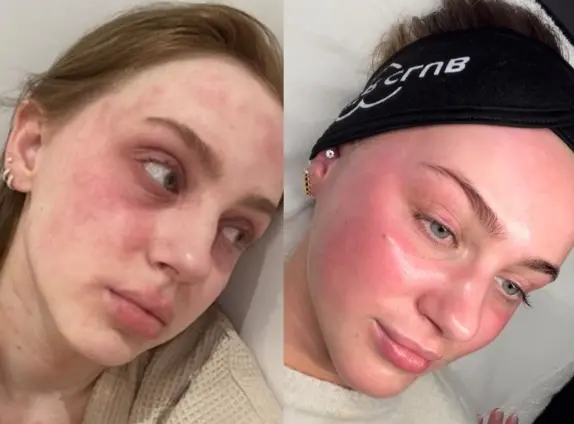
After a peel treatment, the skin begins a natural exfoliation process. The outer layer gradually sheds while newer skin surfaces underneath. During this period, the skin may appear slightly red or feel tighter than usual. Some people notice only mild dryness, while others experience visible peeling for several days.
These temporary reactions are commonly associated with the recovery process. Because the skin barrier may feel more delicate after treatment, it is important to avoid excessive irritation during healing. Gentle skincare habits often help the skin feel calmer and more comfortable while recovery continues.
The healing process also varies between individuals. Some skin types recover quickly, while others need more time before the skin feels fully balanced again. Instead of expecting instant changes, it is usually better to allow the skin to recover gradually and naturally.
Why the Skin Feels Sensitive After a Peel
Facial peels work by encouraging the outer layer of skin to renew itself. As older skin cells begin to shed, the skin may temporarily feel more reactive to products, sunlight, or heat. This sensitivity is one reason why many skincare professionals recommend a simpler routine after treatment.
Using strong exfoliants too soon may increase discomfort during recovery. Instead, focusing on hydration and protection often supports a more balanced healing process. Allowing the skin barrier time to settle may also help reduce dryness and irritation.
Keeping Your Skincare Routine Simple
One of the most common mistakes after a peel is using too many skincare products at once. Some people assume additional products will speed up recovery, but overly complicated routines can sometimes make the skin feel more irritated.
A gentle cleanser and moisturiser are often enough during the early healing stage. Washing the skin with lukewarm water instead of hot water may also help reduce sensitivity. Harsh scrubbing or rubbing should generally be avoided while the skin is recovering.
During the first few days, many people prefer to keep their routine minimal because the skin may feel more comfortable with fewer active ingredients. Allowing the skin to rest and recover naturally is often more beneficial than introducing intensive skincare too quickly.
Avoiding Harsh Ingredients During Recovery
Certain skincare products may feel too strong for freshly treated skin. Exfoliating acids, retinol products, and alcohol-heavy toners can sometimes increase dryness or irritation during healing. Even products that normally feel comfortable may temporarily feel stronger after treatment.
This is why many people choose calming skincare products designed for sensitive skin during recovery. A gentle approach often helps the skin maintain better comfort while healing continues.
People researching suitable post peel skincare routines often find that simplicity and consistency are more helpful than aggressive exfoliation after treatment.
Why Hydration Matters During Recovery
Hydration plays an important role in supporting skin comfort after facial treatments. As peeling begins, the skin may feel dry or tight. Moisturising regularly can help reduce some of this discomfort while supporting the skin barrier.
A lightweight moisturiser is often preferred because it helps maintain hydration without feeling heavy on sensitive skin. Applying products gently instead of rubbing them into the skin aggressively may also help minimise irritation.
In addition to skincare products, staying hydrated throughout the day may support overall skin balance. While drinking water does not replace skincare, maintaining hydration habits may help the skin feel more comfortable during recovery.
Supporting the Skin Barrier
The skin barrier helps protect the skin from outside irritation. After treatment, this barrier may feel temporarily weakened while the skin renews itself. Gentle moisturising and avoiding harsh ingredients may help support the skin barrier as it recovers.
Recovery often takes patience because the skin needs time to return to its normal balance. Trying to speed up the process with strong products can sometimes create additional sensitivity instead.
Sun Protection After a Chemical Peel
Freshly treated skin can become more sensitive to sunlight. Because the outer layer of skin is renewing itself, UV exposure may increase irritation during recovery. This is why daily sun protection is often considered an important part of aftercare.
Using sunscreen regularly may help protect the skin while it heals. Some people also prefer to avoid long periods of direct sun exposure during the first stage of recovery. Wearing protective clothing or staying in shaded areas may help reduce unnecessary irritation.
Sun protection is not only important immediately after treatment. Maintaining consistent SPF habits long term may also help support overall skin condition and comfort over time.
Heat and Environmental Stress
Heat exposure may sometimes increase redness or sensitivity after a peel. Activities such as steam rooms, saunas, or intense exercise may feel uncomfortable while the skin is healing.
Allowing the skin to remain cool and calm during recovery can help support a more comfortable experience overall. Small adjustments to daily habits may make a noticeable difference while the skin settles.
Managing the Peeling Stage
Not everyone experiences the same level of peeling after treatment. Some people notice light flaking, while others experience more visible shedding over several days. Both experiences can be part of the normal recovery process.
The most important thing during this stage is avoiding the temptation to pick or pull peeling skin. Removing loose skin manually may increase irritation and interfere with natural healing. Allowing the skin to shed naturally is usually the safest approach.
It is also important to remember that recovery is gradual. The skin may continue changing over several days before it begins to feel smoother and more balanced again.
Giving the Skin Time to Heal
People sometimes expect immediate results after treatment, but the recovery process often happens slowly. Dryness, sensitivity, and temporary peeling are common during the healing stage. Focusing on comfort and gentle care instead of rushing results may help support a smoother recovery experience.
Understanding that every skin type heals differently can also help reduce unnecessary concern during the recovery process.
Lifestyle Habits That May Support Recovery
Skincare products are only one part of recovery. Daily habits can also influence how the skin feels after treatment. Getting enough rest, maintaining hydration, and reducing unnecessary stress may all help support overall skin comfort.
Clean pillowcases and avoiding touching the face excessively may also help reduce irritation while the skin is sensitive. Although these habits are simple, they may contribute to a calmer recovery environment.
Some people also prefer to avoid heavy makeup immediately after treatment because the skin may feel more comfortable without additional layers of product during the early stages of healing.
Creating Long-Term Healthy Skincare Habits
Once recovery is complete, maintaining balanced skincare habits may help support healthier-looking skin over time. Gentle cleansing, hydration, and daily SPF use are often part of simple long-term skincare routines.
Overusing exfoliating products or changing routines too frequently may sometimes lead to sensitivity. A more consistent and balanced approach is often easier for the skin to tolerate long term.
Many people considering a chemical peel facial manchester treatment also want to understand how maintaining healthy skincare habits afterwards may support skin comfort between appointments.
Understanding Different Recovery Experiences
Every person’s skin reacts differently after treatment. Some individuals naturally experience more dryness or sensitivity, while others recover with minimal visible peeling. These differences can depend on skin type, skincare habits, and overall sensitivity levels.
Comparing recovery experiences with others is not always helpful because healing timelines vary from person to person. Paying attention to how your own skin feels may help guide your skincare decisions more effectively.
If the skin feels unusually irritated or uncomfortable for an extended period, seeking professional advice may help provide reassurance and support during recovery.
Knowing When to Simplify Your Routine
Sometimes the best thing for recovering skin is reducing unnecessary products and allowing the skin barrier time to stabilise. Gentle routines often help minimise irritation while supporting overall skin comfort.
Instead of adding more active ingredients, focusing on consistency and patience may create a more manageable recovery experience.
If you have questions about recovery guidance or facial treatments, you can always contact us for general skincare information related to available services.
Conclusion
Chemical peel aftercare is an important part of supporting skin comfort and recovery after treatment. While the skin naturally renews itself after a peel, gentle care during the healing process may help reduce irritation and maintain overall skin balance.
Simple skincare habits such as moisturising, avoiding harsh products, and protecting the skin from sun exposure are often helpful during recovery. In addition, understanding that healing takes time can make the process feel less stressful and easier to manage.
Every person’s recovery experience is different, which is why balanced skincare routines are often preferred after treatment. By focusing on gentle care and allowing the skin time to settle naturally, many people find it easier to maintain comfortable and healthy-looking skin after facial treatments.
FAQs
1. How long does peeling usually last after treatment?
Peeling can vary depending on the type of treatment and individual skin sensitivity. Some people notice light flaking for a few days, while others experience peeling for slightly longer. The skin generally settles gradually as recovery continues.
2. Can I use exfoliating products after a peel?
Many people avoid exfoliating products during the early recovery stage because the skin may already feel sensitive. Using harsh exfoliants too soon can sometimes increase irritation. Gentle skincare routines are often preferred until the skin feels more balanced again.
3. Why does the skin feel dry after treatment?
Dryness is common because the outer layer of skin begins to renew itself after treatment. As older skin cells shed, the skin may temporarily feel tight or flaky. Moisturising regularly may help support comfort during this stage.
Is sunscreen necessary after a facial peel?
Freshly treated skin can become more sensitive to sunlight during recovery. Using sunscreen may help protect the skin while it heals and reduce additional irritation caused by UV exposure.
4. When should I return to my normal skincare routine?
Recovery time varies depending on skin sensitivity and the type of treatment received. Many people gradually reintroduce products once the skin feels calmer and less sensitive. Keeping the routine simple during early healing is often recommended.
Back to blog