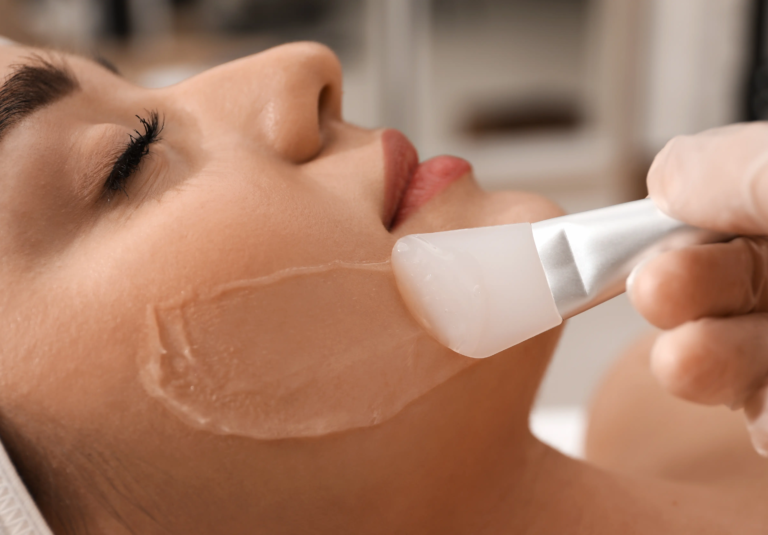
Chemical peel for oily skin treatments are becoming increasingly popular among people looking for professional skincare support for excess oil, congestion, and uneven texture. Oily skin can sometimes feel difficult to manage because excess sebum may contribute to enlarged pores, shine, and frequent breakouts. While daily skincare routines are important, many individuals also explore professional treatments to support long-term skin maintenance.
Chemical peels are commonly included in oily skin treatment routines because they focus on exfoliation and skin surface renewal. By helping remove dead skin buildup from the outer layer of the skin, chemical peels may support smoother-looking and fresher-looking skin. In addition, many people with acne-prone skin choose professional exfoliation treatments as part of a balanced skincare approach.
At The Laser Club, skincare treatments are designed to support different skin concerns through professional consultations and personalised treatment approaches.
Understanding Oily Skin
Oily skin develops when the sebaceous glands produce excess oil. Sebum is important because it helps protect and hydrate the skin naturally. However, when too much oil is produced, the skin may appear shiny or feel congested throughout the day.
Several factors can influence oily skin. Genetics often play a role, but hormones, stress, weather conditions, and skincare habits may also affect oil production. In some cases, using overly harsh skincare products can irritate the skin and disrupt its natural balance.
People with oily skin may experience:
- Enlarged pores
- Shine throughout the day
- Congested skin
- Uneven texture
- Frequent breakouts
Because oily skin varies from person to person, professional skincare advice can help individuals understand which treatments and routines may suit their skin type.
What Is a Chemical Peel?
A chemical peel is a professional exfoliation treatment designed to remove dead skin cells from the surface of the skin. The treatment uses carefully selected peel solutions to encourage skin renewal and improve overall texture.
Chemical peels are available in different strengths depending on the skin concern and treatment goal. Some peels focus on gentle surface exfoliation, while others work more deeply. Professional consultations are important because treatment suitability depends on the individual’s skin condition and sensitivity.
How Chemical Peels Work
Chemical peels work by encouraging the outer layer of dead skin cells to shed gradually. As this process takes place, the skin may appear fresher, smoother, and more refined.
Exfoliation-focused treatments are often discussed in relation to oily and acne-prone skin because buildup on the skin surface may contribute to congestion and uneven texture.
Why Chemical Peel for Oily Skin Is Popular
Chemical peel for oily skin treatments continue to grow in popularity because many people want skincare solutions that support clearer-looking skin without complicated routines. Oily skin often benefits from regular exfoliation because excess oil and dead skin buildup can contribute to congestion.
Professional chemical peels are commonly chosen because they may help improve the appearance of:
- Excess oil buildup
- Congested pores
- Uneven skin texture
- Dull-looking skin
- Surface impurities
In addition, many individuals prefer professional treatments that fit into regular skincare maintenance routines.
Support for Congested Skin
Congestion can occur when oil, dirt, and dead skin cells collect inside pores. Exfoliation treatments may help support cleaner-looking skin by encouraging skin surface renewal.
Improved Skin Texture
Rough or uneven texture is common among people with oily skin. Chemical peels are often selected because exfoliation may help support smoother-looking skin over time.
Chemical Peels and Acne-Prone Skin
People with oily skin often experience acne-related concerns as well. Excess oil and buildup may contribute to breakouts, especially when pores become blocked.
Because of this, acne peels are commonly discussed as part of professional skincare routines for acne-prone skin. Exfoliation may help support clearer-looking skin by removing buildup from the surface.
However, it is important to remember that every individual’s skin behaves differently. Some people may have sensitive skin or active irritation, which is why consultations are important before starting treatment.
Why Professional Consultations Matter
Professional consultations help assess factors such as:
- Skin sensitivity
- Current skincare products
- Oil levels
- Breakout concerns
- Previous treatments
This information helps practitioners recommend suitable skincare approaches based on individual needs.
What Happens During a Chemical Peel Appointment?
Many people feel more comfortable with skincare treatments when they understand the process beforehand. Although treatments may vary between clinics, chemical peel appointments generally follow a similar structure.
The appointment usually begins with a consultation and skin assessment. During this stage, skincare professionals evaluate the skin and discuss concerns, routines, and treatment goals.
After cleansing the skin, the peel solution is applied carefully for a controlled period. Once the treatment is completed, aftercare guidance is usually provided to support the skin during recovery.
Most people choose professional skincare clinics because treatments are tailored according to individual skin needs and sensitivity levels.
Chemical Peel Aftercare for Oily Skin
Aftercare plays an important role in supporting the skin following exfoliation-focused treatments. Proper aftercare may help maintain skin comfort and support overall skincare routines.
Keep the Skin Hydrated
Even oily skin requires hydration. Lightweight moisturising products may help support the skin barrier after treatment.
Avoid Harsh Products
Strong exfoliants or aggressive skincare products are generally avoided immediately after treatment unless advised otherwise by a professional.
Use SPF Protection
Sun protection is an important part of maintaining healthy-looking skin, especially after exfoliation treatments.
Follow Professional Guidance
Aftercare recommendations may vary depending on the type of peel and individual skin concerns.
Building a Skincare Routine for Oily Skin
Professional treatments often work best when combined with consistent homecare routines. Fortunately, skincare routines do not need to be overly complicated.
A balanced skincare routine may include gentle cleansing, hydration, and sun protection. Consistency is usually more important than using too many products at once.
People with oily skin sometimes avoid moisturiser because they believe it may increase shine. However, dehydrated skin can still produce excess oil, which is why balanced hydration remains important.
Clients interested in a professional chemical peel facial often combine treatments with simple skincare routines designed around their skin type and concerns.
Common Mistakes People Make With Oily Skin
Many people unintentionally make skincare mistakes that may affect oily or acne-prone skin.
Over-cleansing is a common example. Washing the skin too frequently may disrupt the skin barrier and increase irritation. Similarly, using too many active skincare products at once may overwhelm sensitive skin.
Skipping hydration is another common mistake. Oily skin still requires moisture balance to support overall skin comfort.
In addition, constantly changing products may make it difficult to understand how the skin responds over time. Consistency and professional guidance often help support more balanced skincare habits.
Who May Consider Chemical Peels?
People explore chemical peels for different reasons depending on their skincare concerns and goals. Individuals with oily or congested skin often choose exfoliation-focused treatments as part of professional skincare maintenance routines.
Chemical peels are commonly discussed among people who experience:
- Oily skin
- Congestion
- Uneven texture
- Acne-prone skin
- Dull-looking skin
However, professional consultations are important because not every treatment suits every skin type.
Final Thoughts on Chemical Peel for Oily Skin
Chemical peel for oily skin treatments continue to attract attention among individuals looking for professional skincare support for congestion, excess oil, and uneven texture. Oily skin can be challenging to manage, especially when breakouts and surface buildup affect confidence and skin comfort.
Professional skincare consultations help individuals better understand their skin type, treatment suitability, and long-term maintenance options. In addition, consistent homecare routines and professional guidance often work together to support healthier-looking skin over time.
As skincare awareness continues to grow, more people are exploring acne peels and exfoliation-focused treatments as part of balanced skincare routines tailored to their individual skin concerns.
For more information about skincare services and consultations, visit the contact us page.
Frequently Asked Questions
1. Is a chemical peel suitable for oily skin?
Chemical peel for oily skin treatments are commonly discussed because exfoliation may help support clearer-looking skin and improved texture. Treatment suitability depends on individual skin concerns and professional consultation.
2. Can chemical peels help acne-prone skin?
Acne peels are often chosen by individuals with acne-prone skin because exfoliation may help reduce buildup and support smoother-looking skin.
3. How often should oily skin have chemical peels?
Treatment frequency varies depending on skin type, skincare goals, and professional recommendations. A consultation can help determine a suitable treatment schedule.
4. What should I avoid after a chemical peel?
People are commonly advised to avoid harsh exfoliation, strong skincare products, and excessive sun exposure immediately after treatment unless guided otherwise by a professional.
5. Can oily skin still become dehydrated?
Yes, oily skin can still experience dehydration. This is why balanced hydration and gentle skincare remain important even for oily skin types.