A breakout that lingers long after the spot has healed, make-up catching on dry patches, pigmentation that makes skin look uneven – these are the concerns that can make a good skincare routine feel as though it has reached its limit. Chemical peels offer a professional way to reset the skin’s surface, supporting a clearer, smoother and more luminous-looking complexion with a treatment selected around your goals.
Rather than one single treatment, a peel is a category of professional exfoliation. The right choice depends on your skin condition, sensitivity, lifestyle and the result you want to achieve. A consultation is where that choice should begin.
What are chemical peels?
Chemical peels use carefully selected acids and active ingredients to loosen and remove the outermost layer of dead skin cells. This encourages fresh surface cells to come through, helping skin look brighter, feel smoother and appear more even over time.
Professional peels can be used to target a range of concerns, including congestion, active breakouts, post-acne marks, dullness, rough texture, fine lines and uneven pigmentation. They are not designed to change your face or create an artificial result. The aim is healthier-looking skin with a more refined, balanced finish.
The word “chemical” can sound intimidating, but it simply refers to the active ingredients used in the formulation. Many peels contain acids you may already recognise from skincare, such as glycolic acid, lactic acid, salicylic acid or mandelic acid. What changes in a clinical setting is the strength, formulation, application and professional assessment behind the treatment.
Which chemical peel is right for your skin?
Peels vary in depth and intensity. A superficial peel works mainly at the skin’s upper layers and is often a sensible starting point for clients with mild congestion, dullness or uneven texture. There may be a temporary glow straight after treatment, followed by light flaking or dryness in the days that follow.
Medium-depth treatments work more intensively and may be considered for more established pigmentation, acne scarring or signs of skin ageing. These peels generally involve more visible peeling and a longer period of social downtime. They are not automatically better – they simply suit different concerns and require careful professional guidance.
For oily or blemish-prone skin, salicylic acid-based peels may be chosen for their ability to work within pores and help reduce congestion. Lactic or mandelic acid options can be gentler choices for dry, sensitive-feeling or reactive skin. Glycolic acid is often used where texture, dullness and the appearance of fine lines are the priority.
Your skin tone also matters. Darker skin tones can be more prone to post-inflammatory pigmentation if the skin is over-treated or aftercare is not followed. That does not rule out a peel, but it makes a tailored approach especially important. A treatment plan should never be based on a trend, a friend’s results or a one-size-fits-all menu.
What results can you expect?
Many clients notice that their skin feels softer and looks fresher after a peel. More meaningful changes to persistent concerns usually build through a course of treatments, combined with consistent home skincare and daily sun protection.
For acne-prone skin, peels can help improve the look of congestion and post-breakout marks, but they are not a guaranteed cure for acne. Hormonal acne, severe active acne and certain medications may need a different or combined approach. Likewise, pigmentation can improve with the right programme, but sun exposure and heat can cause it to return or worsen if skin is not protected.
The most satisfying results tend to look natural: smoother make-up application, a brighter overall tone, fewer blocked pores and skin that feels more responsive to your skincare. Progress photographs taken in consistent lighting can be more useful than checking the mirror every day.
What happens during a professional peel?
Your appointment should start with an assessment of your skin, concerns, medical history and current routine. Be open about any prescription skincare, recent treatments, allergies, cold sores, pregnancy or breastfeeding, and any tendency to scar or develop pigmentation. These details affect whether a peel is appropriate and which formula can be used safely.
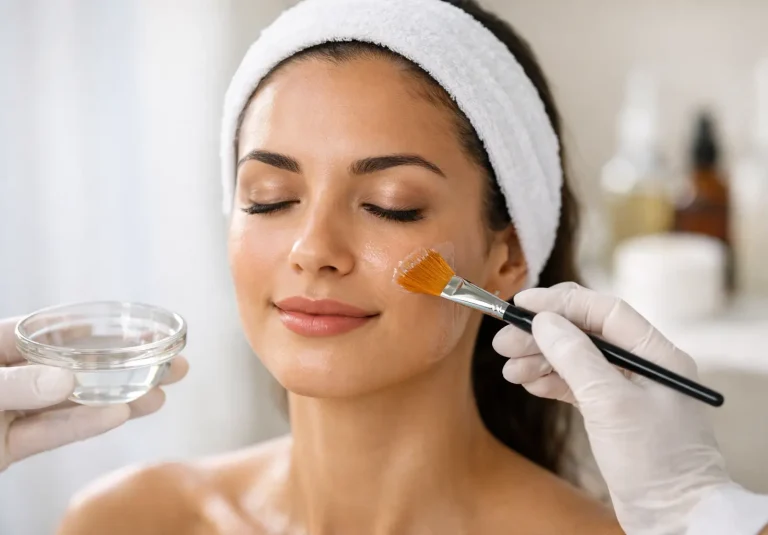
After cleansing and preparing the skin, the practitioner applies the peel for a controlled amount of time. You may feel warmth, tingling or a mild prickling sensation. This is common, but it should remain tolerable. The peel is then neutralised or removed where required, and soothing, protective products are applied.
A professional treatment is not the time to push through intense discomfort in pursuit of faster results. Skin responds best to a programme that respects its barrier and allows recovery between appointments. At The Laser Club, treatment recommendations are shaped around individual skin needs, rather than treating every concern with the same approach.
Peeling is not always dramatic
Visible shedding is one possible response, not a measure of whether a peel has worked. Some clients experience only slight tightness, dryness or fine flaking, while others notice more obvious peeling around the nose, mouth or chin. This usually develops over several days, depending on the peel used and your skin’s natural turnover.
Do not pick, scrub or use exfoliating tools to speed the process up. Pulling at loose skin can cause irritation, prolong redness and increase the risk of marks. Let the skin shed naturally while keeping your routine gentle.
Preparing for your appointment
The days before a peel are about reducing unnecessary irritation. Your practitioner may ask you to pause retinoids, exfoliating acids, benzoyl peroxide or hair-removal products for a specified period. Avoid waxing, strong facial treatments and excessive sun exposure before your appointment unless you have been advised otherwise.
Arrive with clean skin where possible, and let your practitioner know if it feels sensitised, sunburnt or unusually reactive on the day. A peel may need to be postponed if the skin barrier is compromised. That can feel frustrating, but protecting skin now supports a better result later.
If you are using prescription acne medication, have recently taken isotretinoin, or have a history of cold sores, always raise this during consultation. Some circumstances require modified treatment, preventative medication or a different option altogether.
Aftercare makes a real difference
A peel does not end when you leave the clinic. Freshly treated skin is more vulnerable to irritation and ultraviolet exposure, so careful aftercare protects both comfort and results.
For the first few days, use a gentle cleanser, a simple hydrating moisturiser and broad-spectrum SPF 30 or higher every morning, even in typical British weather. Avoid direct sun, tanning beds, saunas, steam rooms, swimming pools and strenuous exercise if your practitioner recommends it. Heat and sweat can make temporarily sensitised skin feel more irritated.
Hold off on retinoids, exfoliating acids, scrubs and strong active products until your skin has recovered and you have been told it is safe to restart them. Keep hands away from peeling areas, and avoid booking another intensive facial treatment too soon. Your practitioner can advise on timing if you are combining peels with treatments such as microneedling or HydraFacial.
When should you seek advice?
Mild redness, dryness and flaking can be expected after some peels. Contact your clinic promptly if you experience severe swelling, blistering, escalating pain, widespread rash or any reaction that concerns you. Early advice is always preferable to trying to manage an unexpected reaction with new products at home.
Are at-home peels the same?
At-home exfoliating products can be useful for maintaining a professional skincare plan, but they are not a substitute for a clinic-led peel. Their strengths are generally lower, and they cannot account for changing skin sensitivity, acne activity, pigmentation risk or the interaction between products in your routine.
More is not better with acids. Layering an exfoliating toner, peel pads, a retinoid and a strong vitamin C product may leave skin looking temporarily polished, but it can also damage the barrier and trigger irritation or breakouts. A simpler routine, used consistently, is often far more effective.
Professional chemical peels work best when they are treated as part of a considered skin plan, not a quick fix before an event. With the right assessment, sensible aftercare and time for skin to respond, they can be a valuable investment in clearer, more even and confident-looking skin.
Back to blog