A laser appointment should never feel like a test of endurance. If you are wondering, does laser hair removal hurt, the honest answer is that you will usually feel something, but most clients find it very manageable. The sensation is often compared to a quick flick of an elastic band against the skin, followed by a little warmth. It is brief, controlled and different from the prolonged pulling associated with waxing.
Comfort matters, especially when you are investing in a course of treatments for smoother skin and long-term hair reduction. The right technology, carefully chosen settings and an experienced practitioner all make a meaningful difference to how your appointment feels.
What laser hair removal actually feels like
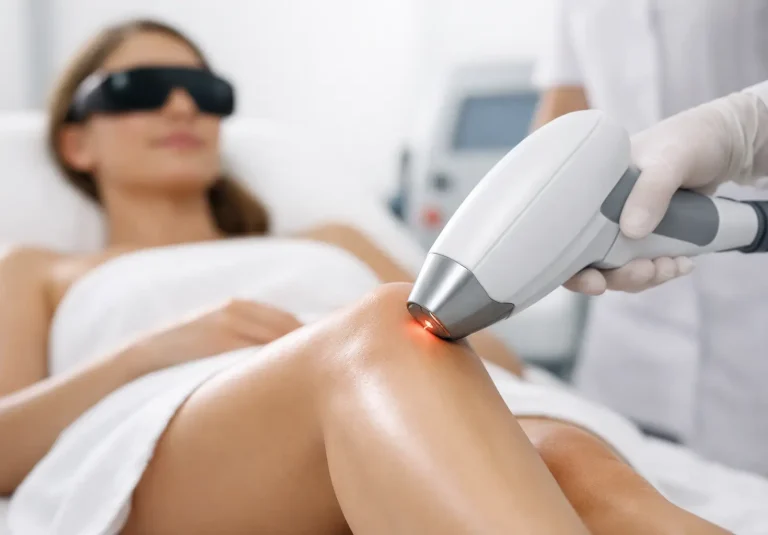
Laser hair removal works by directing light energy towards pigment in the hair follicle. The follicle absorbs that energy, which helps to disrupt future hair growth while protecting the surrounding skin as far as possible. Each pulse is very fast, so the feeling comes and goes in seconds.
Many people describe the treatment as a short snap, a tiny pinprick of heat or a warm flick. On areas with coarser, darker hair, such as the underarms, bikini line or lower legs, the sensation can be more noticeable because there is more pigment for the laser to target. That does not necessarily mean it will be painful, but it may feel more intense than treating finer facial hair.
After a pulse, your skin may feel warm for a short time. Mild redness or small raised bumps around the follicles are also common temporary responses, particularly in areas where hair is dense. These usually settle quickly.
Does laser hair removal hurt more in certain areas?
Everyone has a different pain threshold, but location does play a part. Areas with thinner skin, more nerve endings or denser hair can feel more sensitive. The upper lip and bikini area are regularly described as more noticeable than the arms or lower legs. Underarms can produce a sharper sensation, although the area is small and treatment is typically over quickly.
The back, chest, arms and legs are often easier for clients to tolerate, particularly when sessions are performed with suitable cooling. Facial areas can feel sensitive simply because the treatment zone is close to the eyes and mouth, but protective eyewear and an experienced approach help clients feel secure throughout.
It is also worth remembering that a laser session is not one continuous sensation. The practitioner treats the area pulse by pulse, checking in as they go. For many busy clients, the trade-off is appealing: a short appointment every few weeks can reduce the time, irritation and expense tied to ongoing shaving, waxing or other temporary hair-removal routines.
Why the right treatment settings matter
The goal is not to use the strongest possible setting. It is to use settings that are appropriate for your skin tone, hair type, treatment area and response to the laser. Higher energy may be needed in some cases for effective follicle targeting, but treatment should always be balanced with skin safety and comfort.
This is why consultation-led laser hair removal is so valuable. Before beginning a course, a practitioner should assess your skin and hair, discuss your medical history and treatment goals, and explain what results are realistic. Hair colour, thickness, growth cycle and skin tone all influence how the treatment is planned.
A patch test is an essential part of that process. It allows the clinic to see how your skin responds to the chosen technology and settings before treating a larger area. It also gives you a real sense of the sensation, which is far more reassuring than trying to judge it from someone else’s experience.
At The Laser Club, treatment plans are tailored rather than treated as a one-size-fits-all service. This specialist approach supports both client comfort and the consistent results that make a course of laser hair removal worthwhile.
How cooling makes treatment more comfortable
Medical-grade laser systems commonly incorporate cooling technology to help protect the skin and reduce heat at the surface. Depending on the device and area being treated, this may feel like a cool blast or chilled contact against the skin before, during or after the laser pulse.
Cooling does not remove every sensation, nor should a clinic promise that you will feel nothing at all. What it does is make the experience substantially more comfortable for many clients and helps the practitioner work efficiently across the treatment area.
Your practitioner may also adjust their technique for particularly sensitive zones. Clear communication is useful here. If an area feels sharper than expected, say so at the time. A professional treatment should feel collaborative, not something you simply have to put up with.
Will each session feel the same?
Not always. Laser hair removal is performed in a course because hair grows in cycles, and the laser is most effective when a hair is in its active growth phase. As your course progresses, treated hair often becomes finer, sparser and slower to return. For many clients, that means later sessions can feel easier because there is less dense, coarse hair to target.
There can still be variation from one appointment to the next. Hormonal changes, the area being treated, your skin’s sensitivity that day and recent sun exposure can all affect how treatment feels. A good practitioner will review your progress and adapt the plan where appropriate rather than applying identical settings without assessment.
Preparing for a more comfortable laser appointment
A little preparation can help the treatment run smoothly. Shave the area as directed before your appointment, usually the day before or on the day itself. This allows the laser energy to focus on the follicle beneath the skin rather than singeing longer surface hair.
Avoid waxing, plucking or using epilators between sessions, as these methods remove the hair from the root that the laser needs to identify. It is also sensible to arrive with clean skin free from heavy creams, oils, deodorant or fake tan on the treatment area, unless your practitioner has given different instructions.
Sun exposure and tanning deserve particular attention. Tanned or irritated skin can affect treatment suitability and may mean your appointment needs to be postponed for safety. Be open about holidays, sunbeds, skincare actives and any medication changes during your consultation and throughout your course.
If you are concerned about sensitivity, choose an appointment time when you are not rushed. Comfortable clothing can also make a difference after treatment, particularly for bikini, underarm or leg appointments. Loose, breathable fabrics are often more pleasant against freshly treated skin.
What to expect straight after treatment
You can usually return to normal daily activities promptly, although your skin may look slightly pink or feel warm for a few hours. Treat it gently. Keep the area cool, avoid hot baths, saunas, strenuous exercise and fragranced products immediately after treatment if advised by your practitioner.
Use soothing aftercare recommended by your clinic, protect exposed areas with appropriate SPF and resist the temptation to scrub or pick at the skin. Treated hairs do not disappear instantly. They often shed gradually over the following days or weeks, which is a normal part of the process.
Contact your clinic if you have concerns about your skin response. This is one of the advantages of choosing a professional provider: you have informed guidance before, during and after every appointment.
Is laser hair removal worth the temporary sensation?
For most clients, yes. The feeling of each laser pulse is fleeting, while the potential benefit is ongoing reduction in unwanted hair, less time spent shaving and fewer ingrown-hair worries for many people. Results vary, and maintenance sessions may be recommended depending on the area, hair pattern and hormonal factors, but a tailored course offers a more lasting route than weekly hair-removal habits.
The best next step is not to assume your experience will match a friend’s. Book a consultation and patch test, ask how the clinic manages comfort, and let your practitioner build a plan around your skin, hair and goals. Reassurance comes from knowing exactly what to expect, then seeing how achievable smooth, low-maintenance skin can feel.
Back to blog