CO₂ laser resurfacing has a bit of a reputation. People talk about the results in glowing terms, smoother skin, softened lines, a more even tone, but they also whisper about the downtime. And honestly, both are true. If you’re considering it, the most helpful thing you can do is go in with a clear understanding of not just what the treatment does, but what your skin will go through afterwards. This guide walks you through exactly that, with a realistic, experience-based look at the first week of recovery.
What Is CO₂ Laser Resurfacing?
CO₂ laser resurfacing is an advanced skin treatment designed to dramatically improve the surface and structure of your skin. It uses a carbon dioxide laser to remove damaged outer layers while heating the deeper layers to stimulate collagen production.
That combination is what makes it so effective. You’re not just exfoliating you’re essentially encouraging your skin to rebuild itself. It’s commonly used for concerns like acne scarring, fine lines, sun damage, uneven texture, and enlarged pores. Unlike lighter treatments, CO₂ laser works at a deeper level, which is why the results can be so noticeable and why the recovery is more involved.
How Does It Actually Work?
During the treatment, the laser creates thousands of tiny, controlled micro-injuries in the skin. This might sound intense, but it’s very precise. The top layer of damaged skin is removed, while the heat from the laser penetrates deeper, triggering your body’s natural healing response. Over the following weeks and months, collagen production increases, and the skin gradually becomes firmer, smoother, and more even. There are different intensities of CO₂ treatments. Some are fully ablative, meaning they treat the entire surface, while others are fractional, targeting small areas within the skin and leaving surrounding tissue intact to speed up healing. Your practitioner will tailor this depending on your skin type and goals.
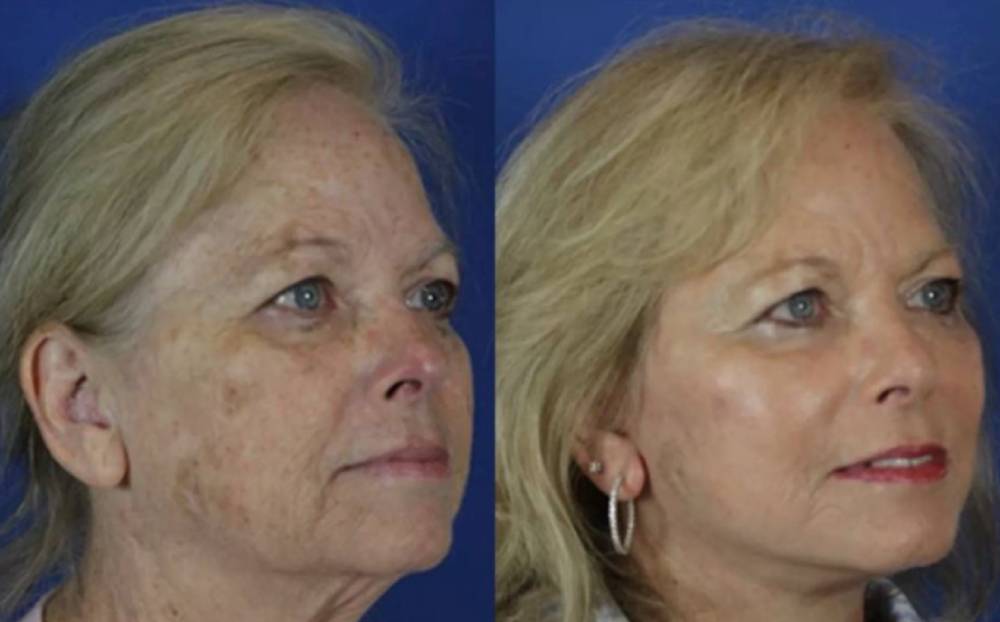
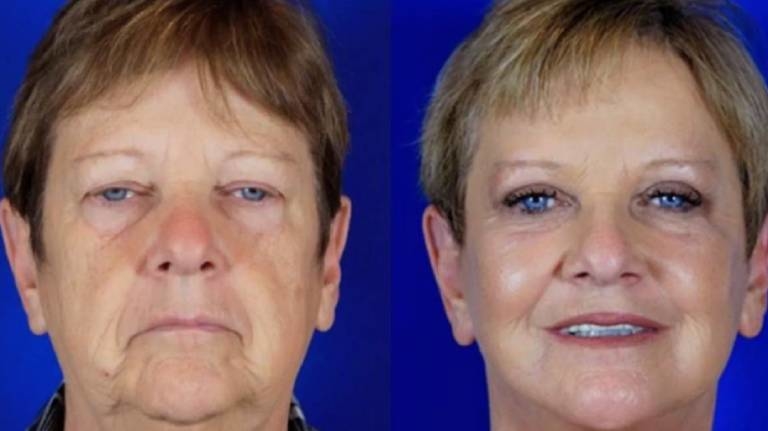
Co2 before and after
The Reality of Downtime (Before We Get Into the Diary)
One thing that often surprises people is just how visible the recovery is. This isn’t the kind of treatment you can quietly have done and show up to work the next day.
A patient once described it as “looking worse before you look significantly better,” which is probably the most honest summary. Another said they planned to “work from home for a couple of days” and quickly realised they needed the full week. The key is planning, clear your schedule, stock up on gentle skincare, and accept that for a few days, your main job is simply to let your skin heal.
Downtime Diaries: The First 7 Days
Day 1: Heat, Redness, and That “Why Did I Do This?” Moment
Immediately after the treatment, your skin feels intensely hot, like a deep sunburn that hasn’t quite settled yet. It’s tight, very red, and slightly swollen. Most people spend the first evening oscillating between fascination and mild panic. One patient joked that they kept checking the mirror every half hour, convinced something had gone wrong, only to be told later, “No, that’s exactly how it’s supposed to look.” Cooling, hydration, and leaving your skin completely alone are essential here. By the end of the day, the heat usually subsides, but the redness remains.
Day 2: Swelling Peaks
If day one was about heat, day two is about swelling. This is often the point where your face looks the puffiest, particularly around the eyes. It can feel a bit strange your skin is tight, slightly uncomfortable, and you may not quite recognise yourself in the mirror. One person described it as “looking like I’d had no sleep, cried, and then got sunburnt all at once.” This is also the day where patience starts to matter. It’s tempting to want to speed things up, but your skin is doing exactly what it needs to do.
Day 3: Dry, Tight, and Textured
By day three, the swelling begins to settle, but your skin enters a new phase. It becomes dry, tight, and develops a rough, almost sandpaper-like texture. This is often when people feel most self-conscious. The redness is still there, but now there’s also a bronzed or slightly darkened layer forming over the skin. A common reaction at this stage is: “It looks worse than I expected.” And that’s completely normal. This layer is part of the healing process, it’s the old, damaged skin preparing to shed.
Day 4: The Peeling Begins
This is the turning point. The skin starts to flake and peel, usually around the mouth and chin first, then gradually across the face. It can be uneven and a bit unpredictable.
Some people find this stage oddly satisfying, watching the old skin come away to reveal fresher skin underneath. Others find it frustrating, especially because you must resist the urge to help it along. And that’s important picking or peeling manually can interfere with healing and increase the risk of scarring. It’s a hands-off process, no matter how tempting it is.
Day 5: New Skin, Still Healing
By day five, most of the peeling has finished. What’s left is fresh, delicate skin that looks pink and feels noticeably smoother. This is usually the first moment where people think, “Okay, this might actually be worth it.” That said, your skin is still very sensitive. It needs hydration, protection, and gentle care. You’re not quite back to normal yet, but you’re clearly on the other side of the most intense phase.
Day 6: Settling Down
Things calm down significantly around this point. The redness begins to fade, although it may still be visible, especially in certain lighting. Your skin starts to feel more comfortable, less tight, and more like your own again. Many people feel confident enough to return to normal routines, though heavy makeup or harsh products are still best avoided.
Day 7: The Glow Starts to Show
By the end of the first week, the transformation becomes more noticeable. The texture is smoother, the skin looks clearer, and there’s a subtle but definite glow. There may still be a hint of redness, but it’s much easier to manage, and for many people, this is when compliments start, often along the lines of “your skin looks really fresh,” without people quite knowing why.
Is It Worth It?
CO₂ laser resurfacing isn’t a casual treatment. It requires commitment, downtime, and a bit of patience. But for many people, the results are significant enough to make that week of recovery feel like a worthwhile trade-off. It’s the kind of treatment where you invest a short period of inconvenience for longer-term improvement in your skin, the results are life changing.
A Limited-Time Offer in Manchester 50% off
If you’ve been thinking about trying CO₂ laser, now is the time to do so. At The Laser Club Manchester, we are offering 50% off your first CO₂ resurfacing treatment, available until the end of May 2026. For a treatment that’s usually considered a premium investment, this makes it far more accessible, especially if you’ve been weighing up whether to go ahead.
I’m sold – how can I go ahead?
The best way to go ahead with us is to book a free consultation here and come and see us, ask all the questions you wish and if you want to go ahead then we take payment and plan/organise and book your first session in.
We are located in Salford Manchester
Or, want to chat? Call us on 01613271712
Back to blog