A smooth treatment area starts long before your appointment. Arriving with recently waxed skin, a fresh tan or heavy body lotion can mean your session needs to be adjusted or postponed. Knowing how to prepare for laser hair removal helps your practitioner treat the area safely and gives your course the best possible conditions for visible, lasting reduction in hair growth.
Laser hair removal is a professional treatment plan rather than a one-off beauty appointment. The laser targets pigment in the hair root during its active growth phase, which is why preparation, timing and consistency all matter. Your consultation and patch test are there to make sure the treatment is appropriate for your skin, hair and goals.
Start with a consultation and patch test
Before your first full session, a specialist should assess the area you would like treated, your skin tone, hair colour and medical history. This is the time to be open about medications, skin conditions, recent treatments and any changes to your health. Some medicines and skincare ingredients can make skin more sensitive to light, while certain health considerations may affect whether treatment is suitable at that time.
A patch test lets your practitioner select suitable settings and see how your skin responds. It is a small but essential part of a medical-grade approach. Do not book a full treatment immediately after a patch test unless your clinic has confirmed that it is appropriate to do so.
If you have had a recent course of chemical peels, microneedling, injectable treatments or other advanced skin procedures near the area, mention this at consultation. Your practitioner can advise on the right interval between treatments so your skin has time to settle.
Avoid sun exposure before your appointment
Sun exposure is one of the most common reasons a laser appointment may need to move. Tanned, sunburnt or irritated skin can be more reactive, and it can make selecting the most effective and comfortable laser settings more difficult.
Avoid deliberate sunbathing, sunbeds and tanning products in the lead-up to your appointment. The exact timeframe depends on your skin, the area being treated and your clinic’s protocol, but it is wise to plan around holidays and outdoor events well in advance. Use a broad-spectrum SPF on exposed areas every day, particularly for facial treatment areas, and protect skin with clothing where possible.
If you do catch the sun or develop redness, do not try to cover it up and hope for the best. Tell your clinic. Rescheduling is sometimes the safest option and protects the quality of your treatment plan.
Shave, but do not wax or pluck
This is the preparation rule that makes the greatest difference. The laser needs a hair root to target, so avoid waxing, threading, tweezing, sugaring and epilating for several weeks before treatment. These methods remove the hair from the follicle and leave the laser with little or nothing to treat.
Shaving is different. It removes hair at the surface while leaving the follicle intact. Most clients are asked to shave the treatment area shortly before their appointment, often the day before or on the morning of treatment depending on the area and their clinic’s advice. The skin should not be freshly nicked, sore or razor-burnt.
If you are unsure how close to shave, ask at your consultation rather than guessing. Coarser areas, such as underarms or the bikini line, may need a slightly different approach from the face. Do not use hair removal cream unless your practitioner has specifically said it is suitable, as it can irritate the skin.
Keep skin calm and product-free
On the day of your appointment, arrive with clean, dry skin. Avoid moisturiser, fake tan, perfume, deodorant, makeup and oils on the area being treated. These products can create a barrier on the skin or increase the chance of irritation, and your practitioner may need extra time to cleanse the area before beginning.
For a few days beforehand, pause potentially sensitising products on or close to the treatment area if your practitioner recommends it. This can include retinoids, exfoliating acids and strong active skincare. The right pause depends on the product, your skin and the body area, so do not stop prescribed medication without medical advice. Bring a photo of your skincare or medication list if it is easier than remembering every product name.
Try not to schedule your treatment immediately after an intense gym session, sauna, steam room or very hot bath. Heat and friction can leave skin temporarily flushed or sensitive. For the same reason, wear loose, breathable clothing to body appointments, especially after treating the bikini line, legs or underarms.
Plan your appointments around your lifestyle
Laser hair removal works best as a course because hair grows in cycles. Sessions are usually spaced apart to target new hairs entering the active growth phase. Missing appointments by long periods does not undo your progress, but regular attendance keeps the treatment plan moving efficiently.
Think about the calendar before you commit. If you have a beach holiday, a wedding weekend, a sporting event or regular outdoor work coming up, plan your sessions around them. You will need to be careful with sun exposure before and after treatment, and it is best not to test new skincare, tanning products or hair removal methods during your course.
Hormonal changes can also influence hair growth. Conditions such as PCOS, pregnancy-related changes or changes in hormonal contraception can affect how the body responds and whether maintenance sessions are helpful. This does not mean laser hair removal cannot be worthwhile – it means a tailored plan and realistic expectations are essential.
What to tell your practitioner
Your practitioner cannot personalise your treatment without accurate information. Let them know about recent sun exposure, fake tan, new medicines, antibiotics, skincare actives, active cold sores for facial treatments, tattoos near the area, changes in your health and any previous reaction to laser or light-based treatments.
Also be honest about your hair removal habits. If you have waxed between sessions, your practitioner may advise delaying treatment to allow enough regrowth within the follicle. It is always better to adjust the plan than to have a session that cannot deliver its full potential.
What to expect on the day
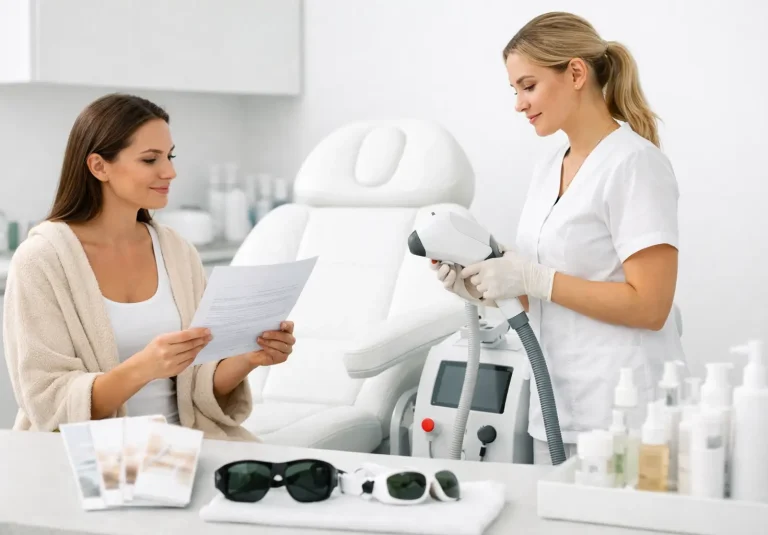
Your appointment should feel organised and straightforward. After confirming that nothing has changed since your consultation, your practitioner will prepare the area, provide protective eyewear and perform the treatment using settings selected for you. Sensation varies by body area, hair density and individual tolerance. Many clients describe a quick warmth or elastic-band-like flick, rather than prolonged discomfort.
Mild redness or small, raised bumps around the follicles can happen afterwards and often settle quickly. Your clinic will give you specific aftercare, which commonly includes keeping the area cool, avoiding heat and friction for a short period, using SPF on exposed skin and resisting the urge to pick at any shedding hairs. Treated hairs may take time to work their way out, so do not mistake this for regrowth.
Preparing for laser hair removal means preparing for the full course
The most effective results come from treating laser hair removal as a commitment to your skin and schedule, not simply a replacement for one shave. Follow the preparation guidance before every session, shave instead of removing hair from the root, and protect treated skin from the sun between appointments.
At The Laser Club, your consultation, patch test and personalised treatment plan are designed to make that process clear from the start. Arrive prepared, ask every question you have, and you can focus on the outcome that matters: smoother skin and less time spent managing unwanted hair.
Back to blog