A facial should do more than leave your skin feeling briefly soft. The most valued HydraFacial treatment benefits are visible clarity, a smoother skin surface and a fresh, hydrated appearance, achieved without the extended downtime associated with more intensive resurfacing treatments. For busy professionals, event preparation or regular skin maintenance, that balance can make a meaningful difference.
HydraFacial is a professional, multi-step facial treatment designed to cleanse, exfoliate, extract impurities and replenish the skin with targeted hydration. It is not a one-size-fits-all beauty facial. A well-planned treatment can be adapted around concerns such as congestion, dullness, dehydration, uneven texture and the early visible signs of skin ageing.
What does a HydraFacial do for your skin?
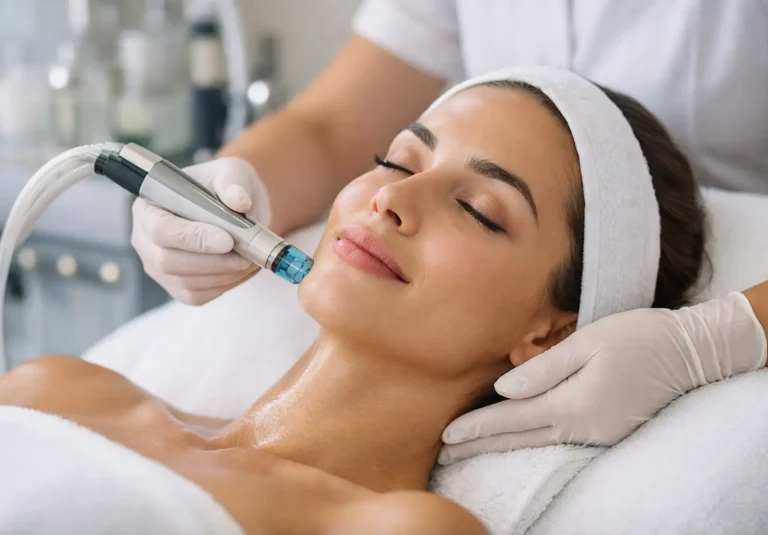
The treatment uses a specialist handpiece and vortex technology to lift away dead skin cells, surface oil and debris from the pores while delivering hydrating solutions to the skin. Rather than relying on manual extraction alone, it combines exfoliation and suction in a controlled, comfortable process.
The result is skin that often looks cleaner and more even straight after treatment. Makeup can sit more smoothly, dry areas can appear less pronounced and congested zones such as the nose, chin and forehead may look clearer. The exact response will depend on your skin type, current routine and the concern being treated, but the immediate post-treatment glow is one reason HydraFacial is popular before occasions.
Deep cleansing without harsh scrubbing
Daily cleansing removes surface makeup, SPF and oil, but it cannot always address the build-up that contributes to a dull or congested appearance. HydraFacial starts by cleansing and exfoliating the upper layers of skin, helping to remove the dead cells that can make the complexion feel rough.
This is particularly useful when skin looks lacklustre but does not need an aggressive treatment. Physical scrubs can feel abrasive, especially if used too often or on sensitive skin. HydraFacial offers a more refined approach, with treatment settings and products selected to suit your skin following a professional consultation.
Clearer-looking pores and less congestion
Blackheads and blocked pores are not simply a hygiene issue. Oil production, dead skin cells, cosmetics, hormones and product choices can all play a part. The extraction stage of a HydraFacial uses gentle suction to help clear pore congestion, particularly through the T-zone.
Many clients notice that their skin feels less congested and looks cleaner afterwards. However, this is not a permanent cure for acne or persistent breakouts. If acne is active, inflamed or linked to an underlying condition, your treatment plan may need a different approach, such as carefully selected peels, microneedling at the appropriate stage, home skincare or referral to a medical professional where needed.
HydraFacial treatment benefits for hydration and glow
Hydration is often confused with oiliness. Skin can produce excess oil and still be dehydrated, leaving it looking shiny in some areas yet tight, dull or uncomfortable in others. One of the standout HydraFacial treatment benefits is its ability to replenish the skin after cleansing and exfoliation rather than leaving it stripped.
Hydrating serums are infused during the final stage to support a plumper, fresher-looking finish. This can soften the appearance of fine dehydration lines and give tired skin a more rested look. It is especially helpful during colder months, after travel, during periods of stress or whenever your usual skincare seems to have stopped delivering the results you expect.
The treatment can also be tailored with boosters where appropriate. These are chosen around your skin priorities, whether that is brightness, hydration, texture or signs of ageing. The right choice should follow an assessment of your skin, not a trend-led menu selection.
A smoother canvas for skincare and makeup
When dead skin cells build up, even high-quality skincare can struggle to sit evenly on the surface. The exfoliation phase of HydraFacial leaves the complexion feeling smoother, which can improve the immediate appearance of makeup and support a more polished finish without heavy coverage.
This does not mean one facial replaces a consistent home routine. Cleanser, moisturiser and daily broad-spectrum SPF remain essential, particularly if you are addressing pigmentation, texture or skin ageing. Think of HydraFacial as a professional reset that complements the right homecare, rather than a shortcut around it.
For clients with a wedding, work event or special occasion ahead, timing matters. HydraFacial is often chosen because there is usually little to no downtime, but skin can occasionally show temporary redness. Booking a trial treatment well before an important date allows you and your practitioner to understand how your skin responds.
Who is HydraFacial best suited to?
HydraFacial can suit a wide range of adult skin types and concerns, including dehydrated skin, dullness, mild congestion, uneven surface texture and skin that simply needs regular professional maintenance. It is also a good option for people who want results but are not ready for treatments involving needles or more significant recovery time.
That said, suitability is individual. Very sensitive, compromised or sunburnt skin may need to settle before treatment. Active rashes, open lesions, certain skin infections and some prescription skincare or medications can change what is appropriate. A reputable clinic will ask about your skin history, current products and health considerations before proceeding.
If your priority is scarring, pronounced pigmentation, deep lines or skin laxity, HydraFacial may form part of a broader programme but may not be the most effective stand-alone treatment. Results-led care starts with matching the treatment to the concern, not trying to make one facial solve every skin issue.
How often should you have a HydraFacial?
For general skin maintenance, many people choose a HydraFacial every four to six weeks, broadly in line with the skin’s natural renewal cycle. If congestion or dehydration is a regular concern, a practitioner may recommend a short course before moving to maintenance appointments.
Frequency should never be based on how often a treatment appears on social media. Over-treating skin that is already sensitive can lead to irritation, while spacing sessions too far apart may not support a particular goal. Your plan should account for your skin condition, budget, diary and any other treatments you are having.
At The Laser Club, consultation-led skin treatment plans are designed around visible concerns and realistic outcomes. That may mean HydraFacial on its own, or combining it thoughtfully with an appropriate professional skincare routine and other treatments over time.
What to expect after your appointment
Most clients return to their usual routine straight away. Your skin may look brighter, feel smoother and appear more hydrated immediately after the appointment. Keep the rest of the day simple: avoid heavy makeup if possible, skip exfoliating acids and retinoids unless advised otherwise, and use SPF consistently.
Avoid picking at the skin or introducing a new active product immediately after treatment. If you have an event coming up, give yourself a little breathing room rather than booking any facial for the first time the night before. Your practitioner can provide tailored aftercare based on the products used and your individual skin needs.
Clearer, healthier-looking skin rarely comes from chasing the strongest treatment. It comes from choosing the right treatment at the right time, then giving your skin the consistency it needs to respond. A professional consultation is the best place to decide whether HydraFacial fits your goals and how it can support the confidence you want to see in the mirror.
Back to blog