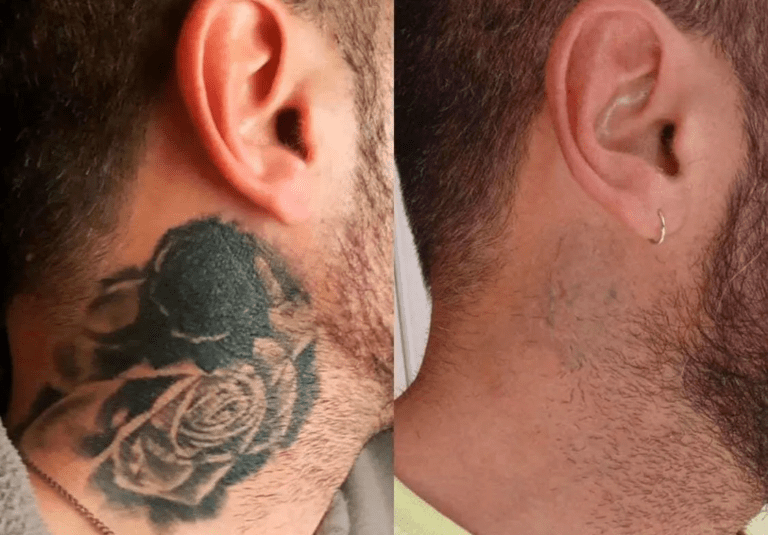
Laser tattoo removal Cheshire treatments are often considered by individuals who want more clarity about how the full process works before beginning sessions. Some people may feel differently about tattoos they chose years ago, while others simply want to understand how professional removal treatments are approached over time. Because tattoo removal is usually gradual, many individuals prefer learning about treatment planning, skin recovery, and aftercare before scheduling appointments.
Tattoo removal journeys vary depending on several factors, including tattoo size, colour, placement, and skin type. Some tattoos may contain dense ink layers, while others may have faded naturally over time. Because every tattoo responds differently, treatment planning is commonly approached individually rather than following one identical routine for everyone.
Many individuals also want realistic information about how long-term treatment scheduling works. Instead of expecting dramatic changes immediately, people often prefer understanding how gradual progress may happen across multiple sessions. This realistic approach may help support a more comfortable treatment experience overall.
Discussions surrounding aesthetic treatments available through The Laser Club often include the importance of treatment planning, skin maintenance, and realistic expectations during longer skincare or tattoo removal journeys.
Why People Explore Tattoo Removal Treatments
Tattoo preferences may change over time for many personal reasons. Some individuals no longer feel connected to older designs, while others may want to reduce visible tattoos before personal or professional lifestyle changes. Because tattoos are designed to remain visible for many years, removal treatments are generally viewed as a gradual process requiring patience and consistency.
For many people, understanding the overall treatment journey becomes an important part of feeling comfortable before starting sessions. Questions about healing time, skin recovery, and scheduling are often just as important as the treatment itself.
This is why many individuals spend time researching the process carefully before making decisions about appointments. Learning about how treatments are spaced and how the skin may respond between sessions may help people feel more prepared.
Why Realistic Expectations Matter
Tattoo removal is commonly approached with realistic expectations because visible changes usually happen progressively over time. Many individuals feel more comfortable once they understand that gradual treatment progress is considered normal.
Rather than focusing only on short-term results, people often prefer learning how long-term treatment planning may fit into their daily routines and personal schedules.
Different Tattoos Respond Differently
Tattoo characteristics vary significantly depending on ink density, colour, placement, and tattoo age. Some tattoos may contain darker or more concentrated ink, while others may appear lighter or partially faded already.
Because of these differences, many individuals appreciate treatment approaches that consider personal skin sensitivity and tattoo history instead of following one standard process.
Understanding the Treatment Journey
The tattoo removal process is usually discussed as a step-by-step treatment journey rather than a quick procedure. Many people researching treatment options prefer understanding how appointments may be organised over time and what recovery periods could involve between sessions.
The tattoo removal process Cheshire clinics discuss often includes gradual treatment planning because the skin generally requires recovery time between appointments. Understanding this timeline may help individuals organise treatments more comfortably around work, travel, or social commitments.
Many individuals also prefer learning how aftercare routines may support skin comfort throughout longer treatment schedules.
Recovery Between Sessions
Recovery periods may vary depending on skin sensitivity and individual treatment response. Some people prefer keeping their skincare routine simple while the skin recovers between appointments.
Maintaining gentle skincare habits may help support comfort during treatment periods without overcomplicating daily routines.
Why Session Timing Is Important
Session spacing is commonly discussed because the skin generally benefits from recovery time between appointments. Gradual scheduling may also help treatments feel more manageable over longer periods.
Some individuals appreciate having time between sessions to monitor how their skin responds before continuing with future appointments.
Why Professional Planning Is Often Preferred
Professional tattoo removal consultations are commonly explored because every tattoo removal experience is different. Many individuals prefer guidance that considers their personal tattoo characteristics, skin sensitivity, and long-term goals.
Understanding how treatments may be approached gradually often helps people feel more confident before beginning sessions. Instead of comparing experiences directly with others, many individuals focus on learning what may feel suitable for their own situation.
During conversations about treatment planning, some individuals researching laser tattoo removal cheshire services are usually interested in understanding how professional guidance may support a more structured and realistic treatment experience.
Treatment Planning and Lifestyle
People often organise treatment sessions around work schedules, holidays, or other personal commitments. Because of this, balanced scheduling may become an important part of the overall treatment process.
A gradual approach often feels easier to maintain alongside everyday responsibilities.
Why Aftercare Is Commonly Discussed
Aftercare becomes an important part of tattoo removal because the skin generally requires time to recover between appointments. Many individuals prefer simple and manageable skincare routines during this period instead of introducing unnecessary products.
Balanced aftercare habits are often viewed as easier to maintain consistently over longer treatment schedules. Gentle skincare routines may also help support comfort while the skin recovers.
Consistency is commonly preferred over constantly changing skincare products or routines during the treatment process.
Maintaining Simple Skincare Habits
Many individuals choose to keep skincare routines straightforward while attending tattoo removal sessions. Hydration and gentle maintenance are often prioritised during recovery periods.
Simple routines may also help reduce unnecessary irritation while the skin continues adjusting between appointments.
Long-Term Consistency and Comfort
Tattoo removal often involves multiple sessions, which is why many people focus on routines that feel realistic long term. Gradual treatment planning may help support a steadier and more comfortable experience overall.
This balanced approach is commonly viewed as easier to maintain over time.
Emotional and Personal Factors Behind Tattoo Removal
Tattoo removal decisions are often personal and may involve changing preferences, lifestyle shifts, or long-term aesthetic goals. Some individuals feel differently about tattoos over time, while others may simply prefer reducing visible ink gradually.
Because these decisions are personal, many people appreciate treatment environments focused on understanding and realistic guidance. Feeling informed about the treatment process may help reduce uncertainty before beginning sessions.
Personal confidence and comfort levels may also influence why individuals begin exploring tattoo removal treatments after many years.
Visible Tattoos and Lifestyle Changes
Some individuals become more aware of visible tattoos during professional situations, photography, or important life events. Others may simply want a different aesthetic preference than they had previously.
Professional consultations are commonly explored by people wanting more information before committing to long-term treatment schedules.
Understanding Individual Recovery Experiences
Every person’s skin may respond differently throughout tattoo removal sessions. Some individuals naturally experience more skin sensitivity during recovery periods, while others feel comfortable returning quickly to daily routines.
Because of this, many people prefer treatment planning that feels personalised rather than rushed. Understanding how recovery may vary between individuals often helps people maintain more balanced expectations.
Discussions about skin recovery are frequently mentioned alongside expert tattoo removal treatments because many individuals want clearer information about aftercare and long-term treatment scheduling before beginning sessions.
Seasonal Skin Considerations
Seasonal weather conditions may occasionally influence how comfortable the skin feels during treatment periods. Some individuals therefore pay more attention to hydration and gentle skincare during colder months.
Balanced skincare habits are commonly viewed as easier to maintain consistently throughout seasonal transitions.
Why Simpler Routines Often Feel More Manageable
During tattoo removal journeys, many individuals avoid overcomplicating their skincare habits. Introducing too many new products during treatment periods may sometimes leave the skin feeling less balanced.
Because of this, simple routines are often preferred. Many people focus on maintaining gentle cleansing and hydration while attending scheduled sessions over time.
Consistency usually feels more manageable when routines remain realistic and easy to continue alongside normal daily life.
Long-Term Skin Maintenance
Some individuals continue following simple skincare routines long after beginning tattoo removal sessions because these habits feel sustainable over time.
Balanced maintenance may support overall skin comfort throughout changing seasons and longer treatment schedules.
Building Patience Throughout the Process
Tattoo removal is generally approached gradually because visible changes often happen over time rather than immediately after one session. Many individuals researching treatments prefer understanding this before starting appointments.
Patience is commonly discussed because tattoos are designed to remain visible long term. Removal treatments therefore usually involve consistency and realistic expectations throughout the process.
People often feel more comfortable once they understand that gradual progression is considered a normal part of the treatment journey.
Focusing on Realistic Progress
Many individuals feel more confident when focusing on steady treatment progression instead of immediate dramatic changes. Long-term planning may help the overall process feel more manageable emotionally and practically.
This approach often supports more balanced expectations throughout treatment schedules.
If questions arise about appointments, aftercare, or long-term treatment planning, some individuals choose to contact us for general guidance related to available tattoo removal services and skincare support.
Conclusion
Laser tattoo removal Cheshire treatments are often researched by individuals wanting a clearer understanding of the full treatment journey before beginning sessions. Because tattoo removal is generally approached gradually, many people prefer learning about session planning, recovery stages, and aftercare routines in advance.
Every tattoo removal experience differs depending on tattoo characteristics, skin sensitivity, and personal goals. This is why many individuals focus on realistic expectations and consistent treatment planning instead of expecting immediate changes.
Professional consultations are commonly explored by people who want more information about how tattoo removal treatments may fit into longer-term skincare and lifestyle routines. Maintaining patience, balanced aftercare habits, and realistic scheduling may help support a more comfortable treatment journey over time.
FAQs
How long does tattoo removal usually take?
Tattoo removal is generally approached gradually over multiple sessions. Treatment timelines may vary depending on tattoo size, colour, placement, and individual skin response.
Why are sessions spaced apart during treatment?
The skin generally requires recovery time between appointments. Session spacing may help support overall comfort while allowing gradual treatment progression.
Does every tattoo respond in the same way?
Different tattoos may respond differently depending on factors such as ink density, tattoo age, placement, and colour variation. Individual skin sensitivity may also influence treatment planning.
Why is aftercare important during tattoo removal?
Aftercare is commonly discussed because balanced skincare habits may help support comfort while the skin recovers between treatment sessions.
Why do people research tattoo removal before booking appointments?
Many individuals prefer understanding the full treatment process before beginning sessions. Learning about recovery, timelines, and aftercare may help people feel more informed and prepared.
Back to blog