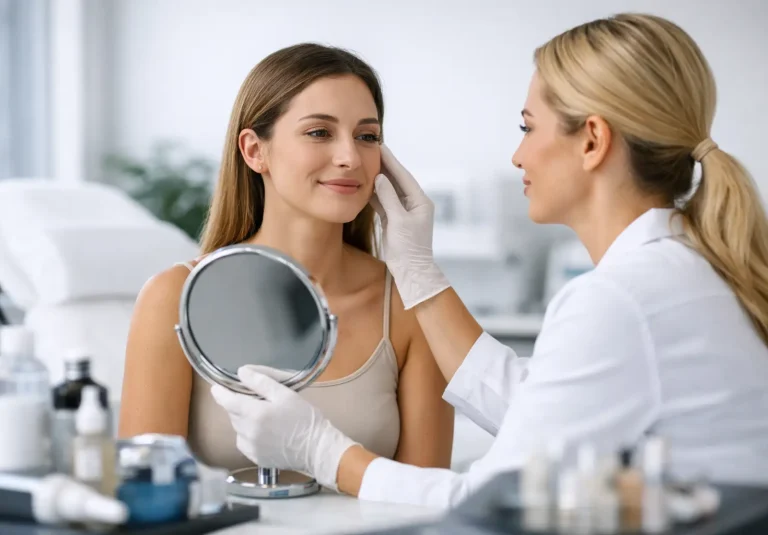
You may know exactly what you would like to change – less time shaving, a clearer complexion, softer acne scarring or a tattoo that no longer feels like you. What is less clear is which treatment will genuinely suit your skin, lifestyle and expectations. A medical aesthetics consultation is where that uncertainty becomes a considered plan, rather than an expensive guess.
At The Laser Club, consultations are designed to put you in control. They are not about pushing a treatment because it is popular. They are about understanding the concern behind your booking, assessing suitability and recommending a professional route towards visible, sustainable results.
Why a medical aesthetics consultation comes first
Medical-grade aesthetic treatments work best when they are matched to the person in front of the practitioner. Two people can have what looks like the same concern – pigmentation, acne, unwanted hair or loose skin – yet need very different approaches.
Skin tone, skin sensitivity, medical history, current skincare, hormonal changes and previous treatments can all affect what is appropriate. For laser hair removal, hair colour, density and growth pattern matter too. For facial treatments, the condition of your skin barrier may determine whether a peel, HydraFacial, microneedling or a period of skincare preparation is the sensible first step.
A consultation protects both your result and your comfort. It gives your practitioner the information needed to select suitable settings, explain realistic outcomes and identify when a treatment should be delayed, adapted or avoided altogether. That is particularly valuable if you are new to aesthetics or have spent months trying products that have made little difference.
What to expect at your consultation
A good appointment should feel professional, relaxed and specific to you. There is time to talk openly about what is bothering you, what you have tried before and what a successful outcome would look like in everyday life.
A conversation about your goals
The starting point is usually your goal, but the most useful conversations go beyond a broad request such as “I want better skin”. You might want makeup to sit more smoothly, to feel comfortable wearing short sleeves, to reduce the appearance of acne marks or to stop booking regular waxing appointments.
Being honest here helps. If you are preparing for a wedding, holiday or major event, say so. Treatment timelines can vary significantly. Laser hair removal and tattoo removal are courses of treatment, not one-off fixes. Skin remodelling treatments also need time for the skin’s natural renewal processes. A practitioner can help you plan around important dates without making promises that your skin cannot realistically keep.
An assessment of your skin, hair or tattoo
Your practitioner will assess the area you would like treated. For skin concerns, this may include looking at texture, congestion, active breakouts, pigmentation, sensitivity and signs of dehydration or ageing. For unwanted hair, the assessment considers your skin type alongside the hair’s colour, thickness and location.
Tattoo removal consultations look at the tattoo’s size, colours, placement, age and whether it has been professionally applied. These details influence how the tattoo may respond and how many sessions may be required. No responsible clinic should promise an exact number before assessing it properly.
You may be asked about your medical history, allergies, medication, recent sun exposure, pregnancy or breastfeeding, and previous aesthetic procedures. This is standard clinical care, not unnecessary form-filling. Some medications and skin conditions can increase sensitivity or affect healing, while recent tanning can make certain laser treatments unsuitable for the moment.
A patch test where appropriate
For laser treatments, a patch test is an essential part of establishing suitability and selecting safe, effective settings. A small area is treated before your main appointment, allowing the skin response to be reviewed.
It can be tempting to see a patch test as a delay when you are ready to get started. In reality, it is part of a professional treatment process. It helps create a plan that respects your skin while still working towards reduced hair growth or progressive tattoo fading.
Turning a concern into a treatment plan
The value of a consultation is not simply being told which treatment to book. It is receiving a plan that explains why it has been recommended, what it can achieve and what will be required from you between appointments.
For example, active acne may benefit from a programme focused first on clearer, less congested skin, before moving to treatments that address residual texture and scarring. A client concerned with dullness and fine lines may benefit from regular HydraFacial treatments or chemical peels, while someone with more noticeable laxity may be better suited to a tightening-focused approach such as cryo skin tightening or plasma pen treatment.
The right answer depends on the concern, your tolerance for downtime, your budget and how quickly you want to progress. A chemical peel may offer targeted renewal with some visible peeling afterwards, while HydraFacial can be a more convenient option before a social occasion. Microneedling can support texture and collagen renewal, but needs aftercare and patience. The best choice is rarely the most dramatic treatment name. It is the one that fits your skin and your goal.
For laser hair removal, your plan should cover the treatment area, likely session spacing, preparation and what to expect as hair growth reduces. Most clients need a course because hair grows in cycles, and laser treatment is most effective during the active growth phase. Results are progressive, which is why consistency matters.
The questions worth asking
You do not need to arrive knowing every technical detail. Your practitioner should explain treatment options clearly. Still, it helps to ask practical questions that make the decision easier.
Ask what result is realistic for your starting point, how many sessions may be recommended and what the treatment feels like. Ask about downtime, side effects, aftercare and whether you will need to pause active skincare ingredients, avoid sun exposure or adjust your routine. If you are considering a package, ask how it has been structured around your needs rather than just the price per session.
It is also reasonable to ask what happens if your skin does not respond as expected. A results-led clinic will be open about review appointments and the fact that treatment plans sometimes need refining. Biology does not follow a fixed script, particularly where hormones, acne or pigment are involved.
Preparing for your appointment
A little preparation gives your practitioner a clearer picture. Come with a list of medications and supplements, and mention any recent treatments, including injectables, peels, laser procedures or cosmetic products prescribed by a dermatologist. If your concern is skin-related, arriving without heavy makeup can make assessment easier.
For a laser hair removal consultation or patch test, follow the clinic’s preparation guidance. This commonly includes avoiding tanning and sunbeds, and avoiding waxing, plucking or epilating before treatment because the hair follicle needs to be present. Shaving may be advised instead, depending on the area and appointment type.
Bring questions, photographs of how the concern has changed over time if relevant, and a realistic sense of your availability. The strongest results often come from attending treatments at the recommended intervals, rather than fitting sessions in whenever there is a spare hour.
Making an informed investment in your skin
Aesthetic treatment is personal, but it should never feel mysterious. The consultation is where you can understand the difference between a quick cosmetic fix and a professionally planned programme designed around your skin.
You may leave ready to begin, or you may decide to take time to consider your options. Both are valid. What matters is that you leave with clarity about your suitability, the likely commitment and the path towards skin that looks clearer, smoother and more like your best self.
Back to blog