A razor can give you smooth skin for a day. Waxing can buy you a few weeks, often with the inconvenience of regrowth, ingrown hairs and fitting appointments around your diary. For people comparing medical grade laser hair removal Dublin clinics, the real question is not simply whether laser works. It is whether the treatment is planned around your skin, hair and long-term goals.
Medical-grade laser hair removal is designed to reduce unwanted hair growth over a course of treatments, helping you spend less time managing the areas that make you feel self-conscious or frustrated. It is a professional treatment programme, not a one-off beauty appointment, and that difference matters when you want reliable, visible progress.
What medical-grade laser hair removal means
The phrase medical-grade is often used broadly, so it is worth looking beyond the label. In a specialist setting, it should mean professional laser technology, trained practitioners, a thorough consultation process and treatment parameters selected for the individual in front of them.
Laser hair removal works by directing light energy towards pigment in the hair. The heat is absorbed by the follicle, disrupting its ability to produce new hair over time. Because hair grows in cycles, not every follicle is active at the same moment. That is why a course of sessions, spaced at appropriate intervals, is needed to treat hair as it enters its active growth phase.
A professional approach also recognises that there is no single setting, schedule or outcome that suits everyone. Hair colour, hair density, skin tone, the area being treated, hormonal factors and previous hair-removal methods can all affect the plan. The aim is meaningful, lasting hair reduction with skin safety and comfort kept firmly in view.
Why a consultation and patch test come first
A consultation should feel like a proper conversation, not a sales pitch. Before treatment begins, your practitioner needs to understand the area you would like treated, how your skin responds to sun exposure, whether you have any relevant medical history and what results you are hoping to see.
You may be asked about medication, active skincare, recent tanning, pregnancy, skin conditions and previous laser or IPL treatments. These questions are not there to complicate the process. They help establish whether treatment is suitable now, whether it should be adapted or whether waiting is the wiser option.
A patch test is an equally important part of responsible laser care. A small area is treated using carefully selected settings so your skin’s response can be assessed before a full appointment. It provides reassurance for first-time clients and gives the practitioner valuable information for your treatment plan.
At The Laser Club, this consultation-led approach helps turn a broad goal such as smoother underarms, a lower-maintenance bikini line or reduced facial hair into a programme that makes sense for you.
Which areas can be treated?
Laser hair removal can be suitable for many of the areas people find most time-consuming to shave, wax or pluck. Popular choices include the underarms, legs, bikini area, Hollywood and Brazilian, arms, upper lip, chin, jawline, chest, back and stomach.
The right area to start with depends on your priorities. Some clients begin with a smaller area to experience the treatment and build a routine. Others choose a combined package because several areas are part of the same weekly shaving or monthly waxing cycle. A tailored consultation can help you decide which route offers the best value and fits your lifestyle.
Facial hair deserves particularly careful planning. It can be distressing, especially when frequent removal causes irritation or affects confidence, but it may also be influenced by hormones. Laser can still be a valuable option for suitable candidates, although maintenance sessions may be more likely in hormonally responsive areas.
What happens during a laser hair removal appointment?
The treatment area should be clean and closely shaved before your appointment unless your practitioner advises otherwise. Shaving leaves the follicle in place for the laser to target, whereas waxing, threading and plucking remove the hair from the root and can interrupt the treatment process.
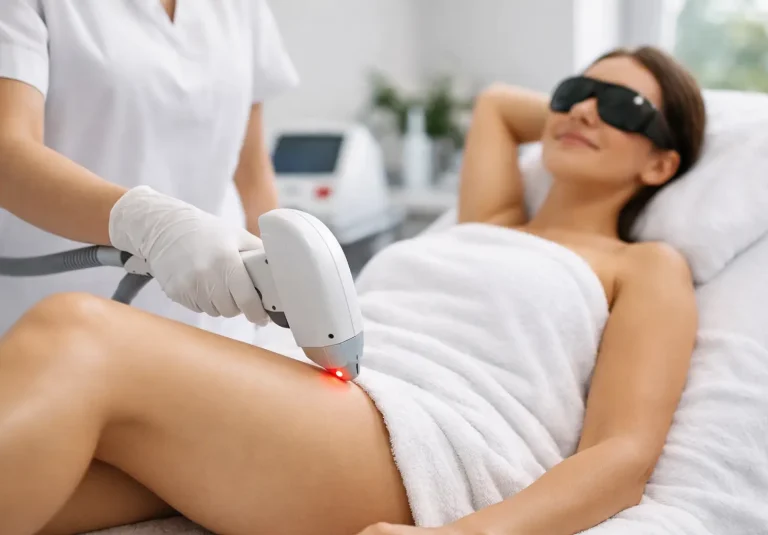
At the clinic, you will wear protective eyewear. Your practitioner will prepare the skin, then pass the laser handpiece over the treatment area in a methodical pattern. Sensation varies by area and individual tolerance. Many people describe it as a quick flick or warm snap against the skin. More sensitive zones can feel sharper, but appointments are usually very manageable and significantly faster than many expect.
A small area such as the upper lip or underarms may take only minutes. Larger areas, including full legs or a full back, naturally take longer. Your practitioner will explain what to expect before starting and check in with you throughout, adjusting the treatment approach where appropriate.
When will you see results?
Some treated hairs may appear to keep growing after a session. This is often the shedding process, rather than new growth, and can happen over the following days or weeks. You may notice patches of slower, finer or reduced regrowth as the course progresses.
It is realistic to expect gradual change, not instant permanent smoothness after one appointment. Most people require a series of sessions because only actively growing hairs can be effectively targeted at each visit. The exact number and spacing of sessions will be recommended at consultation, based on the area and your individual response.
Results can be especially rewarding when you compare them with the effort of repeated shaving, waxing and dealing with irritated skin. However, maintenance may be needed over time. Hormonal changes, certain conditions and the body’s natural ability to activate previously dormant follicles mean that no reputable clinic should promise identical results for every person.
Preparing for your course of treatment
Good preparation supports both the safety and effectiveness of your appointments. Avoid sun exposure, sunbeds and fake tan before treatment, following the timeframe advised by your clinic. Tanned skin can affect how laser energy is absorbed, so honesty about recent holidays or sun exposure is essential.
Between sessions, shave rather than wax, thread, tweeze or use an epilator. Keep the area free from products such as heavy moisturiser, deodorant or perfume on the day of treatment where instructed. If your medication or skincare routine changes during your course, tell your practitioner before your next session.
After treatment, the skin may look slightly red or feel warm for a short period, much like mild sun exposure. Cooling, simple aftercare and avoiding heat-based activities such as hot baths, saunas and intense exercise for the recommended period can help your skin settle comfortably. Your clinic should give you clear, personalised aftercare guidance rather than leaving you to guess.
Choosing a medical-grade laser clinic in Dublin
Price matters, but it should not be the only deciding factor. A very low headline price can be less appealing if it comes without a proper assessment, patch test, clear treatment plan or experienced guidance. Laser hair removal is an investment in your confidence and your time, so the quality of care should sit alongside the cost.
Look for a clinic that is open about suitability, explains what its technology is designed to do and does not make exaggerated promises. You should know what is included in your package, how appointments are scheduled and what happens if you have a question between sessions. Convenient payment options, including 0% interest plans where available, can also make it easier to commit to a full course rather than stopping before you have given the treatment the chance to deliver its best results.
It is also reasonable to ask about the practitioner’s approach to different skin tones and hair types. The best treatment plan is not a generic one. It is built with the right technology, settings and level of care for your individual skin and hair profile.
Is laser hair removal right for you?
Laser tends to work best where there is a clear contrast between the hair and skin, because the laser targets pigment. Advances in professional technology mean more people can be assessed for treatment than in the past, but suitability still needs to be confirmed in person. Very fair, grey, white or red hair may be less responsive, as these hairs contain less pigment for the laser to target.
If you are tired of planning around regrowth, avoiding certain clothes or feeling that hair removal takes more effort than it should, a consultation is the useful next step. It gives you a clear answer on suitability, a realistic view of the commitment involved and a treatment plan built around the smoother, more confident skin you want to maintain.
Back to blog