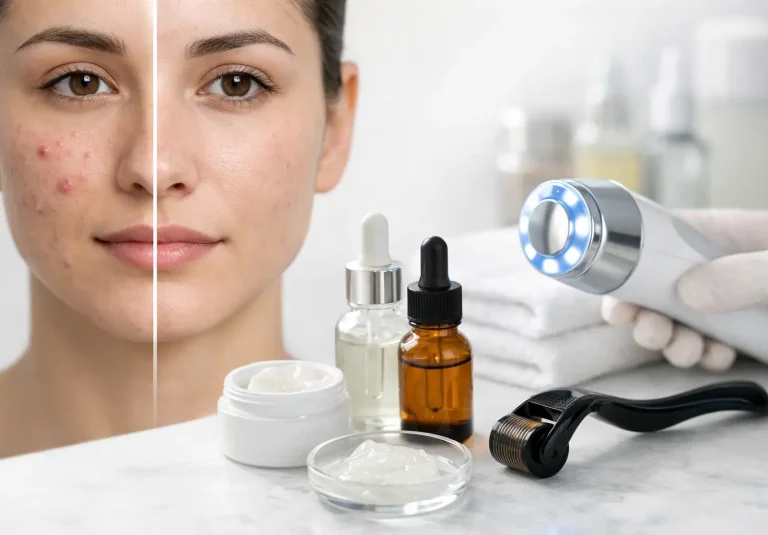
A breakout before a big meeting is frustrating. Persistent acne that affects how comfortable you feel without make-up, in photographs or face-to-face is something else entirely. The most effective acne treatments start by looking beyond the visible spot: your skin’s oil production, congestion, inflammation, sensitivity and the marks acne may have left behind all shape the right approach.
There is no single facial or product that suits every complexion. A results-led plan should address what is happening in your skin now, while protecting its barrier and creating a realistic route towards clearer, smoother-looking skin over time.
Why a tailored acne treatment plan matters
Acne can look similar on the surface but behave very differently. Some clients experience blackheads and blocked pores across the T-zone. Others are dealing with inflamed spots along the jawline, recurring breakouts on the cheeks, or deeper blemishes that feel tender and may leave marks behind. Skin can also be oily in some areas yet dehydrated, reactive or dry in others.
Treating all of these concerns in exactly the same way can lead to disappointment – or irritation that makes the skin feel worse. Over-exfoliating, picking at blemishes and switching between strong products too quickly can compromise the skin barrier. When skin is irritated, it may appear redder, feel tighter and become more difficult to manage.
A professional consultation gives you space to discuss your skin history, current routine, lifestyle and priorities. It also helps establish whether the immediate focus should be congestion and active breakouts, post-acne pigmentation, uneven texture, or a combination of concerns tackled in the right order.
Acne treatments for active breakouts and congestion
When active acne is the main concern, the aim is usually to clear congestion gently, support balanced oil production and improve the overall condition of the skin without unnecessary trauma. Consistency matters more than an aggressive one-off treatment.
Chemical peels for clearer-looking skin
Professionally selected chemical peels can be a valuable option for congested, breakout-prone skin. By encouraging controlled exfoliation, they can help lift the build-up of dead skin cells that contributes to blocked pores. They may also improve the look of surface texture and post-breakout discolouration over a course of treatments.
The strength and type of peel should be chosen around your skin’s condition, sensitivity and downtime preferences. A mild, progressive programme may suit someone with regular congestion and a busy schedule, while another client may need a more considered approach if their skin is inflamed or reactive. Peeling, redness or temporary dryness can occur, so appropriate aftercare is part of protecting your results.
HydraFacial for congested complexions
A HydraFacial can be particularly helpful when skin feels dull, congested or overloaded with blackheads and excess oil. The treatment combines cleansing, exfoliation, extraction and hydration in one professional appointment, leaving skin feeling refreshed without the harshness of manual picking.
It is not a cure for every form of acne, and it should not be treated as one. However, for suitable clients, regular professional cleansing can support a clearer-looking complexion and complement a consistent home routine. Your practitioner can advise whether HydraFacial is appropriate during an active breakout phase or whether another treatment should come first.
The value of a sensible home routine
In-clinic results are supported by what happens between appointments. Your routine does not need to involve a crowded bathroom shelf. A gentle cleanser, suitable targeted products, a moisturiser that supports your skin barrier and daily SPF are often a stronger foundation than repeatedly introducing the latest trending active.
Avoid scrubs that feel abrasive, harsh alcohol-heavy products and squeezing spots. It can be tempting to chase an overnight fix, but this often extends the cycle of inflammation and marks. Your practitioner can help you choose home skincare that works alongside your treatment programme rather than competing with it.
Treating acne marks, pigmentation and texture
Once active acne is well controlled, many clients want to address what remains: red or brown marks, uneven tone, enlarged-looking pores and indented acne scarring. This stage deserves its own plan. Treating scars too early, when new inflammatory breakouts are still appearing, can make it harder to judge progress and may not give the skin the calm conditions it needs.
Chemical peels for post-acne marks
Post-inflammatory pigmentation and lingering discolouration can make skin appear uneven long after a spot has healed. A course of appropriate chemical peels may help brighten the overall appearance of the complexion and improve how quickly superficial marks fade. Sun protection is essential, particularly when treating pigmentation, because UV exposure can deepen marks and undo hard-won progress.
Microneedling for acne scarring and texture
Microneedling is commonly chosen for concerns such as indented acne scars, uneven texture and loss of smoothness. The treatment creates controlled microchannels in the skin to stimulate its natural repair response, supporting collagen production over time. Results are gradual rather than instant, which is why a planned course is often recommended.
Microneedling is generally better suited to skin once active acne has settled. It is not normally performed across inflamed, infected or open breakouts. During consultation, your practitioner will assess the type of scarring present, your skin tone, sensitivity and expectations to determine whether it is the right route for you.
It is also worth being realistic about what professional treatments can achieve. Acne scars vary considerably. Some respond well to a course of microneedling, while deeper or more complex scarring may require a different medical approach. Honest assessment is more valuable than promising a perfect finish.
When professional skincare is not enough on its own
Aesthetic treatments can play an effective part in a broader acne plan, but certain symptoms need medical assessment. Painful cysts, widespread inflamed acne, scarring that is developing quickly, sudden severe breakouts or acne affecting your confidence and wellbeing significantly are all good reasons to speak with a GP or dermatologist.
Prescription treatment may be appropriate, particularly for hormonal or severe acne. If you are pregnant, breastfeeding, taking prescribed acne medication or using strong active skincare, disclose this before any treatment. Some procedures and ingredients may need to be postponed or adjusted for your safety.
This is not a setback. In many cases, medical care and professional skin treatments work best as complementary stages, with the focus moving towards texture, marks and maintenance once active inflammation is under control.
What to expect from a professional programme
Clearer skin is usually built over several appointments, not one. Your initial consultation should cover your concerns, treatment suitability, likely course length, expected downtime and the home care needed to support your skin. If a treatment involves an active device or more intensive exfoliation, a patch test or skin assessment may be recommended first.
Photographs can be useful for tracking progress because skin changes gradually. You may notice fewer congested areas first, then a more even surface and improved radiance. Post-acne marks and scars tend to take longer, particularly where collagen stimulation is involved.
At The Laser Club, treatment recommendations are shaped around your individual skin goals rather than a generic facial menu. Whether your priority is calmer breakouts, a less congested complexion or smoother-looking skin after acne, the right programme should feel clear, achievable and tailored to you.
Clearer skin rarely comes from doing more to it. It comes from choosing the right treatment at the right time, giving it time to work, and having expert guidance when your skin needs a more considered plan.
Back to blog